
Enter Arsène Lupin
1944
No user ratings available yet
Representation score: 1.8 out of 10
Representation Score
Minimal
1941
ApprovedDirector
Edward Dmytryk
Runtime
66 minutes
Average Rating
No ratings yetNew Showbiz Analysis
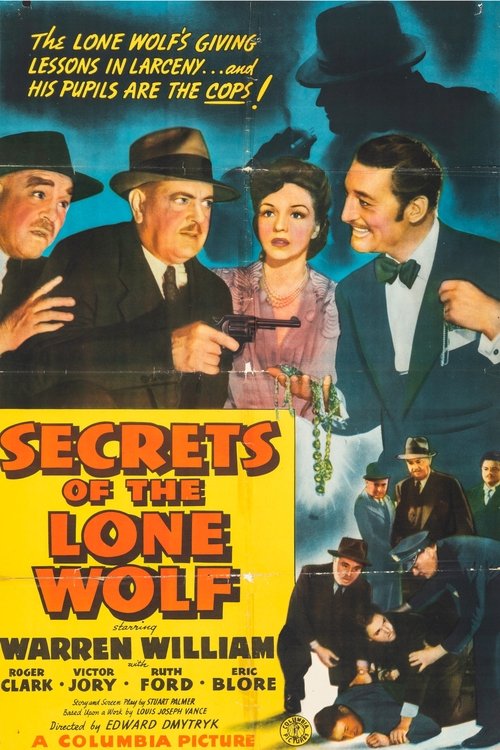
Secrets of the Lone Wolf is a traditional crime-mystery film that upholds established social hierarchies. The plot revolves around a case of mistaken identity involving a protagonist and his butler, reinforcing the class structures of the early 1940s. The film lacks diverse representation, focusing instead on a homogeneous cast and conventional genre clichés. It serves as a standard period piece that maintains social order without challenging it. Ultimately, the film reflects the cinematic norms of its time, offering little in the way of diverse perspectives or character's ability to drive the story outside of the central male-driven mystery.
Category Breakdown
The film does not include any queer narratives or non-straight identities. It follows traditional romantic storylines typical of crime movies from the 1940s.
The story centers on male characters, particularly Michael Lanyard and his butler. Women do not seem to have significant roles or ability to act in the plot.
The narrative focuses on a jewel theft involving a butler and a criminal gang. There are no mentions of non-white or non-Anglo-Saxon characters.
The film follows traditional Western genre conventions, emphasizing social stability and traditional service roles without challenging Western institutions.
There is no information about characters with visible or invisible disabilities.
Present on Screen
Limited or Absent
Official Synopsis
Michael Lanyard's faithful butler Jamison is mistaken for his boss by a gang of jewel robbers.
1944

1944
1944

1942
1938
1938
1935
1949
No reviews yet. Be the first to share your thoughts on this movie!
Use the rating form above to leave a star rating and optional review.