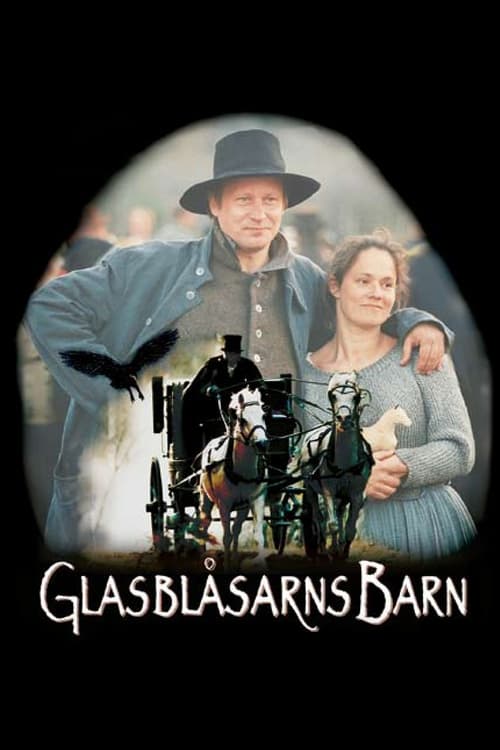
The Glass-Blower's Children
1998
No user ratings available yet
Diversity score: 3.4 out of 10

1999
Director
Maria Peters
Runtime
119 minutes
Average Rating
No ratings yetSynopsis
The film is based on the popular Dutch childrens book by Chris van Abkoude. In a Dutch port in 1921 lives a 10-year-old orphan boy known to everyone simply as Little Crumb. His poverty-stricken mother Lize van Dien filled with shame was forced to turn him over to Mrs. Koster soon after he was born. Foster mother Mrs. Koster, who has cared for him since he was a baby, is very poor too, unable to support him by herself and proves to be a cruel taskmaster who insists Crumb bring her money before shell feed him. Somehow he must earn his keep out on the streets and can only go home after he has earned enough money. Crumb becomes an urchin stealing from the streets barrows and the shops to stay alive, sleeping in churches or huddled in doorways. Sometimes he has to run off from the police and he has earned the enmity of the most grownups around him.
Overall Score
Limited
Category Breakdown
LGBTQ+ Representation
The film focuses on a historical orphan's survival within a traditional early 20th-century framework. No non-cisnormative identities or same-sex intimacy are present in the character arcs.
Gender Representation
Female characters like Mrs. Koster subvert nurturing tropes by acting as harsh, transactional taskmasters. However, women remain largely defined by domestic roles and socioeconomic struggles.
Racial & Ethnic Diversity
Set in a 1921 Dutch port, the film depicts a largely homogeneous European population. It does not use diverse casting to challenge the era's demographic norms.
Religious & Cultural Diversity
The story critiques Western institutions by portraying the family unit as a site of trauma. It also highlights the failure of economic structures through the lens of systemic poverty.
Disability Representation
The narrative explores the psychological toll of abandonment and poverty. There is no specific evidence of visible or invisible disabilities serving as central drivers.
Strengths
Areas for Improvement
AI Analysis
Little Crumb is a historical social drama that prioritizes the individual's struggle against systemic neglect. It avoids romanticizing traditional parental or domestic structures, instead focusing on the harsh realities of class-based power dynamics. The film lacks modern intersectional markers, specifically regarding LGBTQ+ visibility and racial diversity. This reflects the historical setting and the homogeneous nature of the 1921 Dutch port environment. Despite these gaps, the film earns credit for its critique of institutionalized inequality. It portrays the failure of both the family unit and the economic structures of the time through the protagonist's forced labor and theft.
1998

1999

2019
1984
1982

1985
1981

2008

2011
No reviews yet. Be the first to share your thoughts on this movie!
Use the rating form above to leave a star rating and optional review.