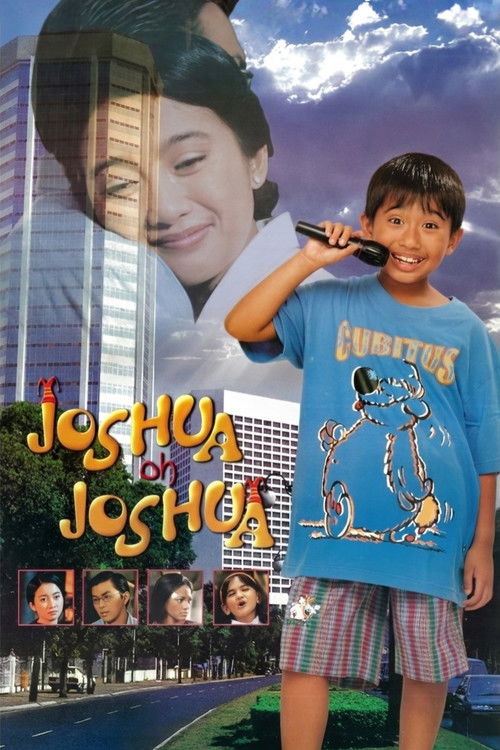
Joshua oh Joshua
2000
No user ratings available yet
Representation score: 4.3 out of 10
Representation Score
Fair
2011
TV-GDirector
Aditya Gumay
Runtime
101 minutes
Average Rating
No ratings yetNew Showbiz Analysis
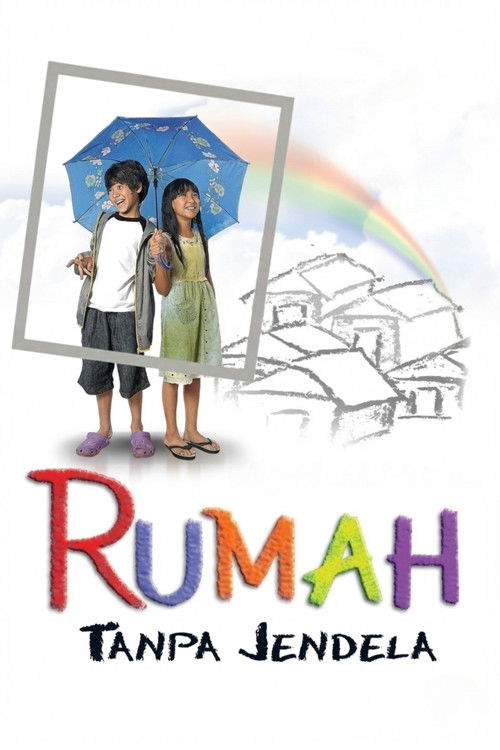
The film functions as a social realist drama that prioritizes class critique over identity-based representation. It effectively uses the Jakarta setting to highlight the divide between the impoverished and the wealthy. While the narrative lacks LGBTQ+ or neurodivergent characters, it explores the intersection of poverty and emotional isolation. Characters are defined more by their socioeconomic environments than by diverse identity markers. Ultimately, the film's strength lies in its refusal to romanticize the struggle of the working class, offering a nuanced look at how systemic structures shape human connections.
Category Breakdown
There are no visible LGBTQ+ characters or non-cisgender identities in the film. The story revolves around traditional family structures within a socioeconomic context.
Rara actively works to improve her family's situation, playing a significant role in the narrative. Male characters, however, follow traditional hierarchies, focusing on paternal neglect.
The story centers on the lives of Indonesian slum residents in Menteng Pulo, using the contrast between luxury housing and poverty to explore social stratification.
The film critiques systemic inequality by highlighting the resilience of slum communities compared to the emotional neglect in wealthy complexes. It challenges the notion that material wealth guarantees social stability.
The ailing grandmother, Mbok, introduces themes of physical vulnerability. Her condition drives the family's economic struggles, though she does not have much control over the narrative.
Present on Screen
Limited or Absent
Official Synopsis
Rara, a lonely 8-year-old girl, wants a small window in her hut located in the slum area of Menteng Pulo, Jakarta. Mbok, Rara's ailing grandmother and her father, Raga, do not have enough money to buy the window. So Rara and friends busk for money in the streets or rent out umbrellas on raining days. Meanwhile, in a luxurious housing complex in Jakarta, Aldo, 11-year-old boy, and does not have any friends. Neglected by his rich father, Ratna Syahri, his grandmother, Nek Aisha, is his only comfort. One day, Aldo meets Rara when the car he is in, grazes her. They become good friends and she is the one he turns to when he flees from home after a quarrel with his brother.
2000

1988

2010

2012

1999
2012

2015
2005
No reviews yet. Be the first to share your thoughts on this movie!
Use the rating form above to leave a star rating and optional review.