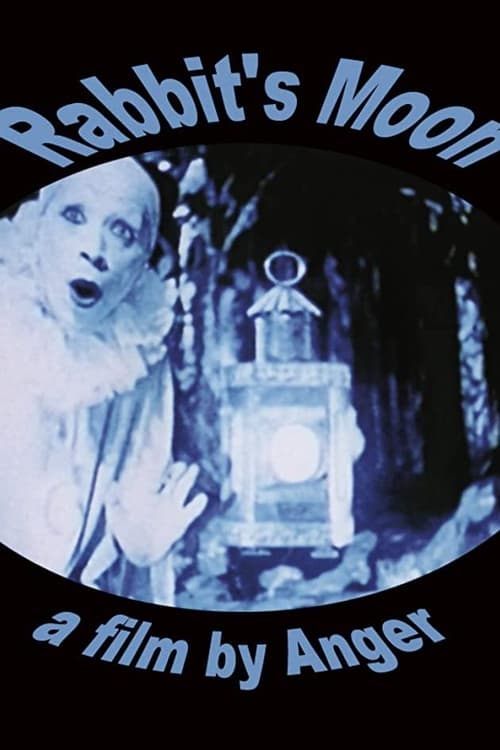
Rabbit's Moon
1979
No user ratings available yet
Representation score: 3.8 out of 10
Representation Score
Fair
1971
Director
Kenneth Anger
Runtime
16 minutes
Average Rating
No ratings yetNew Showbiz Analysis
Rabbit's Moon is a postmodern visual poem that uses archival footage to deconstruct cinematic history. It succeeds in challenging traditional narrative hierarchies and religious structures through its focus on occult symbolism and dream-like rhythms. However, the film is limited by its reliance on early Western cinema, which results in significant racial homogeneity and Eurocentric archetypes. The characters are presented as symbolic figures rather than individuals, which limits the depth of gender and disability representation. Ultimately, the work functions as a subversive piece of experimental cinema that prioritizes aesthetic fluidity over explicit social representation.
Category Breakdown
The film does not include explicit same-sex intimacy but features elements that align with queer aesthetics. Its non-linear rhythm and stylized archetypes challenge traditional gender roles through symbolic expression.
Female figures appear as ethereal archetypes from early cinema. While they lack explicit ability to act, the film's deconstructionist approach prevents them from being tied to rigid, domestic gender hierarchies.
The film heavily relies on Eurocentric aesthetics from the commedia dell'Arte tradition. It does not actively seek to challenge the racial homogeneity found in its archival footage.
The film prioritizes occult symbolism and celestial imagery over traditional religious narratives. This promotes a secular, subjective framework that challenges the dominance of Western logic and order.
The abstract, montage-based structure provides no evidence regarding physical or neurodivergent disabilities. Characters are presented as stylized archetypes rather than individuals with specific lived experiences.
Present on Screen
Limited or Absent
Official Synopsis
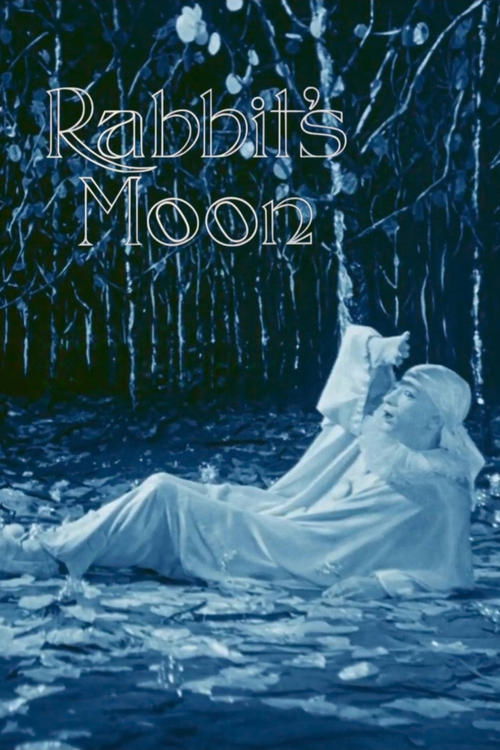
A Japanese fairy tale meets commedia dell'Arte. All in white, the naïf Pierrot lies in a wood. Doo-wop music plays as he rises, stares about, and reaches for the moon. Although music abounds and the children of the wood are there at play, Pierrot is melancholy and alone. Harlequin appears, brimming with confidence and energy. He conjures the lovely Colombina. Pierrot is dazzled. But can the course of true love run smooth?
1979
1950
1978
1970

1977

1979

1990

1990
No reviews yet. Be the first to share your thoughts on this movie!
Use the rating form above to leave a star rating and optional review.