The Decameron
1971
No user ratings available yet
Representation score: 8.6 out of 10
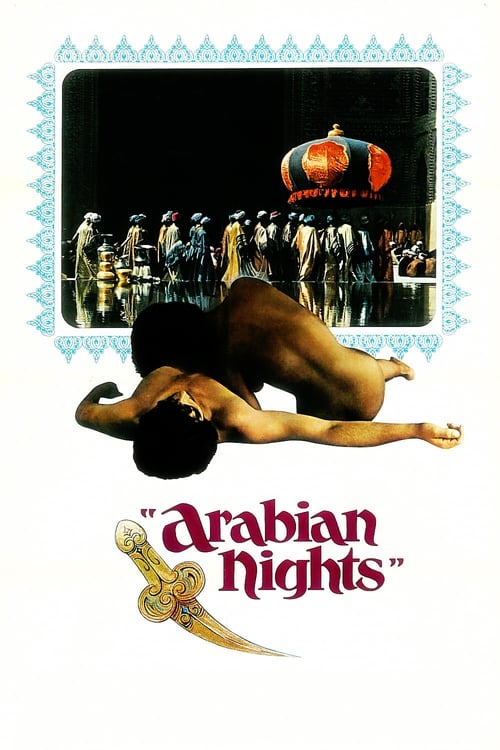
Representation Score
Good
1974
NC-17Director
Pier Paolo Pasolini
Runtime
131 minutes
Average Rating
No ratings yetNew Showbiz Analysis
Pasolini’s work serves as a dreamlike exploration of mythic desire, emphasizing primal human instincts over structured social hierarchies. By focusing on erotic and primitive themes, the film challenges conventional Western moral standards. The film effectively critiques modern Western institutions and bourgeois values through a mythic landscape. It frames civilized social orders as artificial constructs, replacing centralized moral authorities with moral relativism driven by instinct. However, the film lacks specific LGBTQ+ character arcs and relies on archetypes that do not fully address all forms of masculine authority.
Category Breakdown
The film portrays sexuality as a fluid force that challenges rigid social norms. However, it does not include explicit LGBTQ+ character arcs with defined storylines.
Female characters often drive the plot through their intellect and desires, rather than being passive objects. The film uses desire to balance traditional gender power dynamics.
By setting the story in a non-Western, mythic environment, the film avoids typical Western aesthetics. It employs non-professional actors to break from standardized commercial norms.
The narrative focuses on a pre-modern society where religious and state authorities are secondary to personal impulses. This offers a critique of consumerist, bourgeois values.
There is no significant evidence regarding the portrayal of visible or invisible disabilities within the film.
Present on Screen
Limited or Absent
Official Synopsis
The final part of Pasolini's Trilogy of Life series is rich with exotic tales of slaves and kings, potions, betrayals, demons and, most of all, love and lovemaking in all its myriad forms. Mysterious and liberating, this is an exquisitely dreamlike and adult interpretation of the original folk tales.
1971
1962
2017
1988
1985

1974

1977
1969
No reviews yet. Be the first to share your thoughts on this movie!
Use the rating form above to leave a star rating and optional review.