Cupid’s Pranks
1908
No user ratings available yet
Representation score: 1.8 out of 10
Representation Score
Limited
1903
Director
Georges Méliès
Runtime
3 minutes
Average Rating
No ratings yetNew Showbiz Analysis
Georges Méliès' early work primarily serves as a visual experiment in surrealism and fantasy. The narrative relies on established clichés of romantic pursuit and patriarchal authority common to the period. While the introduction of a mythological goddess offers a brief departure from everyday social norms, the film does not intentionally disrupt traditional hierarchies. Instead, it prioritizes mythic exploration over social documentation. Ultimately, the film's significance lies in its contribution to cinematic language rather than its engagement with progressive social frameworks.
Category Breakdown
The story centers on a traditional romantic pursuit between Pierrot and a female love interest. There are no representations of LGBTQ+ identities or non-cisgender gender expressions.
A patriarchal figure hinders the protagonist's romantic efforts, reinforcing traditional gender hierarchies. Although the goddess Diana appears, she serves mainly as a plot device rather than challenging gendered power structures.
The film focuses on a singular, culturally specific archetype rooted in French pantomime. There is no indication of a diverse or non-Anglo-Saxon cast.
The narrative emphasizes secular myth and lunar mythology over strict religious doctrine. However, the domestic conflict reflects traditional social structures of the time.
No visible or invisible disabilities are shown or used as narrative devices in this work.
Present on Screen
Limited or Absent
Official Synopsis
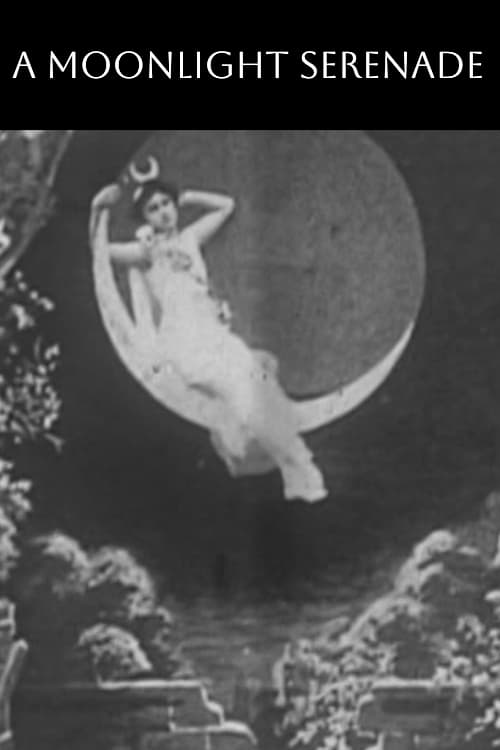
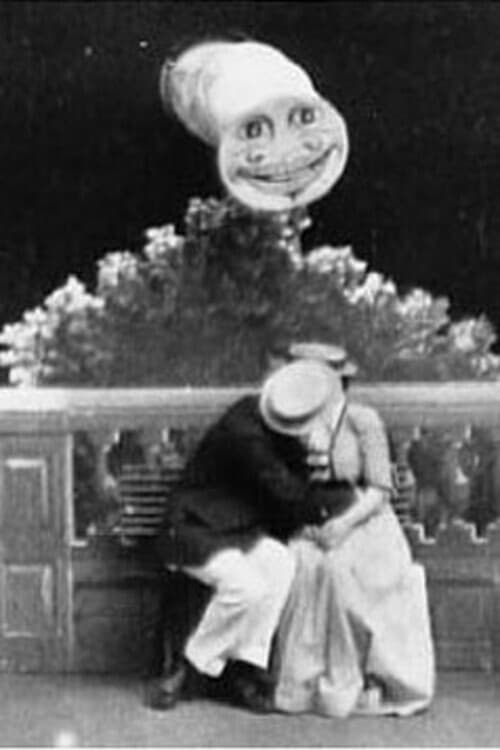
Pierrot goes to the house of his love to serenade her, but her father kicks him out. Soon the moon and its goddess Diana come towards the man and offers him something better.
1908

1948
1935
1970
1912

1946
1901

1901
No reviews yet. Be the first to share your thoughts on this movie!
Use the rating form above to leave a star rating and optional review.