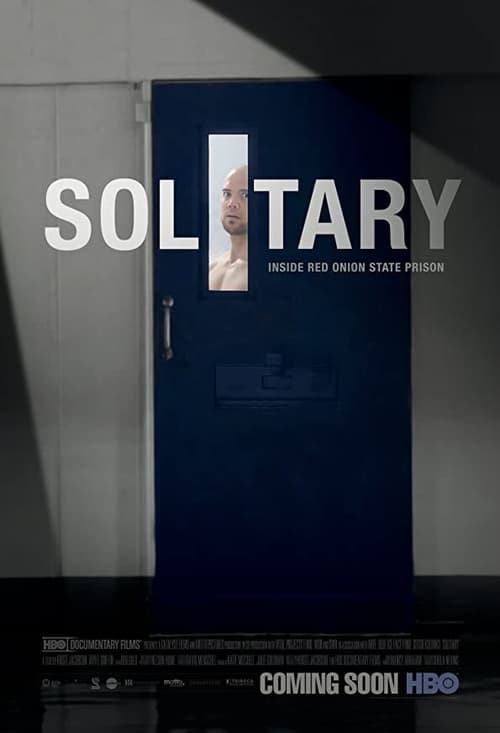
Solitary
2016
No user ratings available yet
Representation score: 5.8 out of 10
Representation Score
Good
2017
TV-MADirector
Daniel Edge, Lauren Mucciolo
Runtime
80 minutes
Average Rating
No ratings yetNew Showbiz Analysis
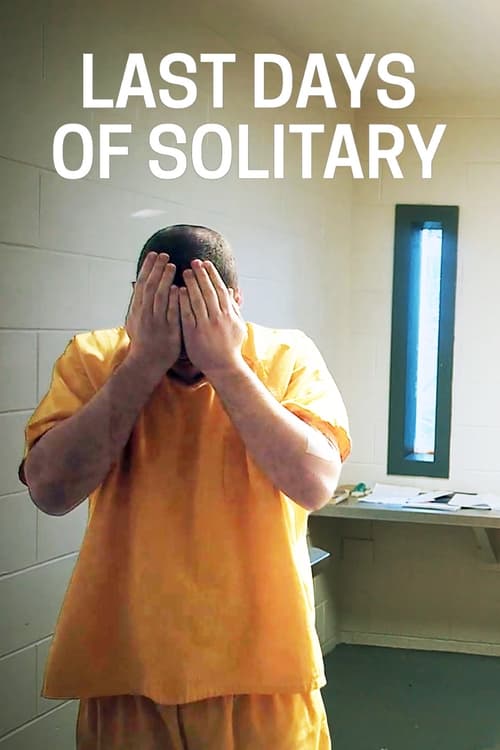
Last Days of Solitary is a sophisticated documentary that shifts the focus from criminality to the systemic impact of isolation on the human psyche. It succeeds by providing an empathetic look at how institutionalized power affects vulnerable populations. The film's strength lies in its ability to document the intersection of race and systemic failure. By focusing on the psychological toll of solitary confinement, it elevates the conversation from simple observation to a profound critique of state authority. However, the film is limited by its specific setting. Because it focuses on a male prison, the narrative lacks gender diversity and queer perspectives, resulting in a heavily masculine-centric viewpoint.
Category Breakdown
The film focuses on the interpersonal dynamics of a male-dominated prison environment. There is no explicit evidence of queer narratives or non-straight identities being central to the reform experiment.
The narrative is almost exclusively centered on male experiences and psychological struggles. It adheres to a traditional masculine framework due to the specific male population at Maine State Prison.
The documentary provides a nuanced look at how the carceral system disproportionately affects underrepresented communities. It highlights systemic structures by documenting the lived experiences of Black and Latino inmates.
The film critiques Western institutional power and the morality of the American justice system. It explores the human cost of punishment and shows inmates seeking spiritual solace.
A central pillar of the film is the exploration of mental health consequences and cognitive decline. It treats psychological trauma as a harrowing reality rather than a mere plot device.
Present on Screen
Limited or Absent
Official Synopsis
In 2011, Maine State Prison launched a pioneering reform program to scale back its use of solitary confinement. Bafta and Emmy-winning film-maker Dan Edge and his co-director Lauren Mucciolo were given unprecedented access to the solitary unit - and filmed there for more than three years. The result is an extraordinary and harrowing portrait of life in solitary - and a unique document of a radical and risky experiment to reform a prison. The US is the world leader in solitary confinement. More than 80,000 American prisoners live in isolation, some have been there for years, even decades. Solitary is proven to cause mental illness, it is expensive, and it is condemned by many as torture. And yet for decades, it has been one of the central planks of the American criminal justice system.
2016
2012
2015

1967
2014
2015
2016
2020
No reviews yet. Be the first to share your thoughts on this movie!
Use the rating form above to leave a star rating and optional review.