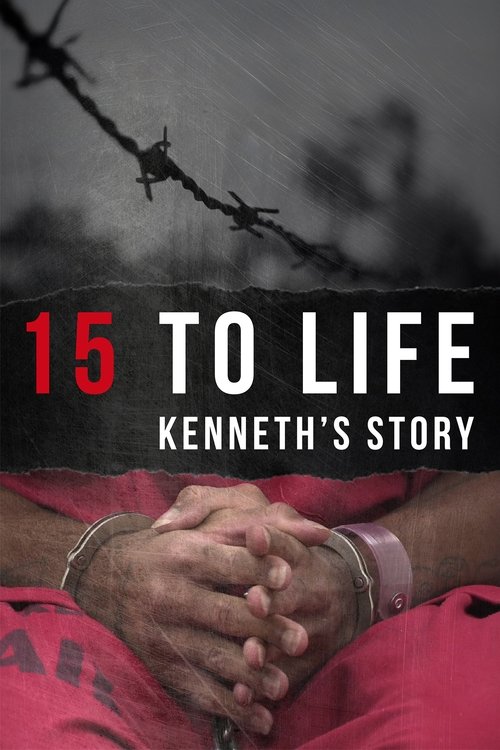
15 to Life: Kenneth's Story
2014
No user ratings available yet
Representation score: 8.7 out of 10

Representation Score
Good
2013
RDirector
Santiago Esteinou
Runtime
105 minutes
Average Rating
No ratings yetNew Showbiz Analysis
Santiago Esteinou’s documentary succeeds by centering a Mexican perspective within the high-stakes framework of the American death row system. By focusing on César’s decades-long struggle for justice, the film effectively critiques the perceived infallibility of state institutions. The work excels in its racial and cultural depth, using a personal story to challenge Western-centric legal procedures. However, the film is limited by its narrow demographic focus, with the narrative almost exclusively centered on male kinship, leaving little room for women's ability to drive the story or diverse gender perspectives. While it addresses the psychological toll of imprisonment, it lacks specific representation of physical or neurodivergent disabilities.
Category Breakdown
The film focuses on the fraternal bond between two brothers and does not include any explicit LGBTQ+ identities or dynamics that challenge the assumption that everyone is straight or cisgender.
The story centers on male experiences within a male-dominated prison environment and lacks prominent women's ability to drive the story or significant subversion of gender hierarchies.
The documentary highlights the intersection of ethnicity and the judicial process within an Anglo-American legal institution, providing a actively leading perspective for a Mexican individual.
The film critiques traditional Western institutions by presenting the protagonist as a potential victim of systemic failure. It deconstructs traditional legal morality and state authority.
The narrative touches on the psychological implications of long-term incarceration but does not provide explicit evidence of characters with specific disabilities being portrayed with ability to act.
Present on Screen
Limited or Absent
Official Synopsis
This documentary tells the story of César, the oldest Mexican prisoner on death row in the United States. César has waited for his execution date for more than 30 years, always insisting that he is innocent. Los años de Fierro is a reflection on justice, imprisonment, punishment, guilt and brotherly love, through the eyes of César and his bother, Sergio.
2014

2015

2012

2012

2016

2020

2007

2012
No reviews yet. Be the first to share your thoughts on this movie!
Use the rating form above to leave a star rating and optional review.