
Skid Row Marathon
2018
No user ratings available yet
Representation score: 8.3 out of 10
Representation Score
Excellent
2012
Not RatedDirector
Thomas Napper
Runtime
77 minutes
Average Rating
No ratings yetNew Showbiz Analysis
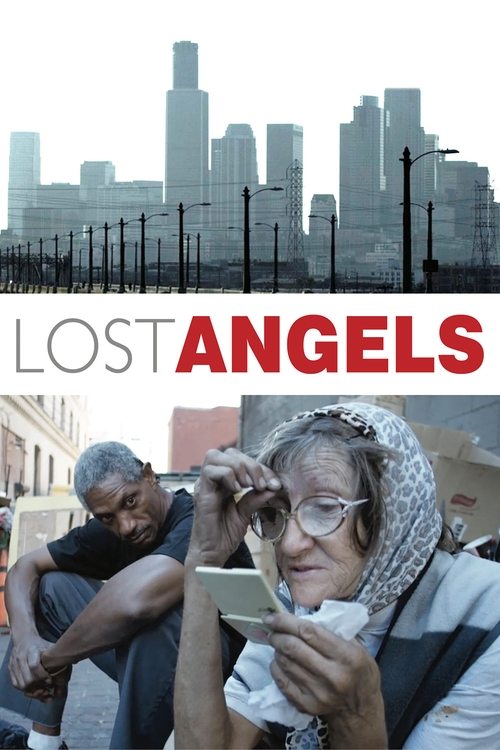
Lost Angels: Skid Row Is My Home is a progressive documentary that disrupts conventional urban narratives. It avoids 'poverty porn' by centering the ability to act and complex histories of its subjects. The film's strength lies in its ability to challenge meritocratic assumptions. By juxtaposing former high-achievers, like Olympic athletes and scholars, with their current reality, it critiques systemic failures. While it excels in racial and cultural representation, it remains neutral on LGBTQ+ identities. Overall, it provides a powerful counter-narrative to mainstream depictions of the American urban experience.
Category Breakdown
The film maintains a neutral stance regarding queer identities. While it avoids harmful stereotypes, LGBTQ+ narratives are not a primary driver of the central character arcs.
Men and women are portrayed navigating the complexities of communal survival. The film avoids traditional hierarchies, focusing instead on the egalitarian necessity of survival in Skid Row.
The documentary authentically reflects Los Angeles demographics by featuring Black, Latino, and White individuals. It presents people of color as complex individuals with deep professional histories.
The film offers a sophisticated critique of systemic neglect and institutional failure. It prioritizes the subjective truths of underrepresented people over official state narratives.
Physical and mental health challenges are integrated into characters' broader identities. The film portrays neurodivergence and chronic illness through a lens of lived experience and ability to act.
Present on Screen
Limited or Absent
Official Synopsis
Los Angeles' Skid Row is home to one of the largest homeless populations in the United States. And we found, inside that community, the remarkable and enormously moving stories of Olympic athletes, Harvard attorneys, accomplished musicians, scholars. We found poverty, drugs and mental illness, of course - but more importantly we found life, hope and incredibly powerful human journeys.
2018

2000

2001

2004

2023

2010

2018
2014
No reviews yet. Be the first to share your thoughts on this movie!
Use the rating form above to leave a star rating and optional review.