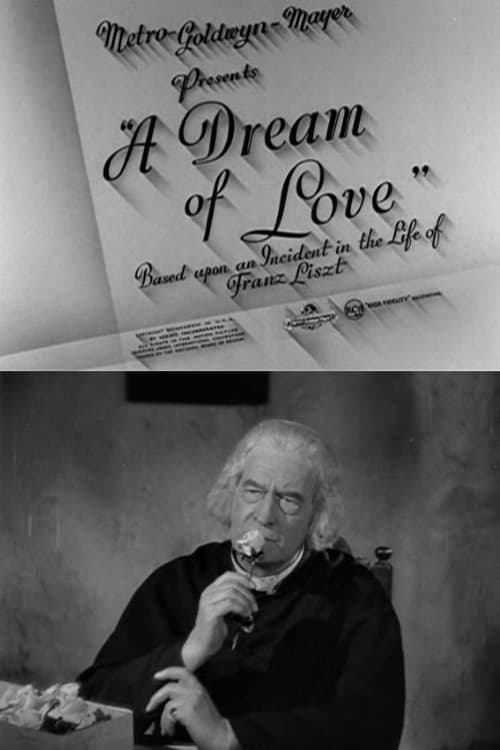
A Dream of Love
1939
No user ratings available yet
Representation score: 0.0 out of 10
Representation Score
Limited
1970
Director
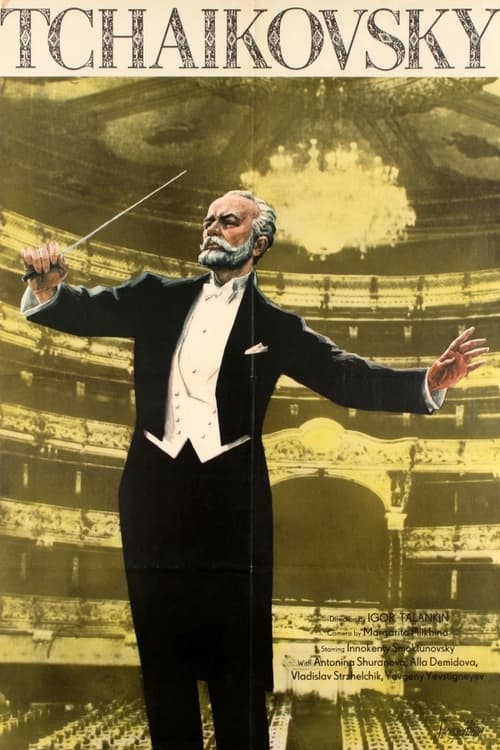
Igor Talankin
Runtime
157 minutes
Average Rating
No ratings yetNew Showbiz Analysis
Tchaikovsky (1970) is a traditional historical biopic that prioritizes cultural reverence and biographical accuracy over challenging social norms. The film functions as a celebration of Russian musical legacy, adhering to the formalist traditions of the Soviet studio system. The narrative structure centers on the composer's genius and his relationship with his patroness, reinforcing the social hierarchies of the 19th century. This focus results in a homogeneous cast and a lack of representation for non-traditional gender identities or diverse racial backgrounds. Ultimately, the film honors a national icon within his specific historical context, maintaining conventional social roles and traditional power dynamics throughout the story.
Category Breakdown
The film avoids showing non-traditional gender identities or same-sex relationships. Instead, it focuses on the composer's emotional struggles and his relationship with Baroness von Meck within a traditional framework.
Baroness von Meck is portrayed as an influential and outstanding figure. However, female characters mostly play supporting or patronizing roles within the 19th-century Russian aristocratic hierarchy.
The cast is predominantly homogeneous, reflecting the demographics of the 19th-century Russian upper class. The narrative stays within the confines of the Slavic musical establishment of the time.
This biopic celebrates Russian national heritage and the prestige of classical musical traditions. It upholds the dignity of historical institutions without critiquing class or institutional power.
There are no prominent depictions of visible or invisible disabilities that drive the narrative or provide character's ability to drive the story.
Present on Screen
Limited or Absent
Official Synopsis
The film is dedicated to the great Russian composer Pyotr Tchaikovsky (1840-1893). It tells of the last twenty years of the great master’s life, of his friendship with Baroness von Meck, an outstanding woman of her time, who for many years was Tchaikovsky’s guardian angel. The film also includes retrospections of the composer’s childhood and adolescent years, with Tchaikovsky’s life poetically recounted against the background of fragments from his operas and ballets performed by the best Russian musicians.
1939
1994
1937
1994
2007
1998
1953
2009
No reviews yet. Be the first to share your thoughts on this movie!
Use the rating form above to leave a star rating and optional review.