The Private Lives of Elizabeth and Essex
1939
No user ratings available yet
Representation score: 1.6 out of 10
Representation Score
Limited
1937
Director
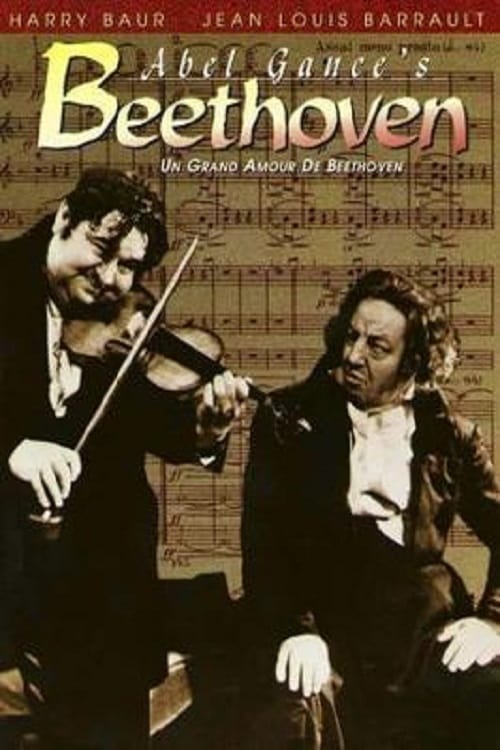
Abel Gance
Runtime
116 minutes
Average Rating
No ratings yetNew Showbiz Analysis
Abel Gance’s biopic is a traditional work that emphasizes the myth of the solitary, suffering genius. It excels in its portrayal of Beethoven’s deafness, treating the disability as a core aspect of his creative identity. However, the film remains deeply rooted in the social hierarchies of its era, presenting a world that is racially homogeneous and gender-imbalanced, where women exist mainly to support the male protagonist's emotional journey. Ultimately, the film is a study of individualistic struggle, providing a profound look at a specific physical experience without challenging broader cultural or social structures.
Category Breakdown
The film follows traditional romantic storylines typical of early 19th-century biographies. It does not include any LGBTQ+ characters or themes.
The story centers around the male 'accursed artist' archetype. Women characters primarily serve as emotional catalysts for Beethoven, rather than having their own independent motivations and goals.
Set in Vienna, the cast is predominantly European. The film does not feature any non-white characters, reflecting the historical setting and the 1937 production context.
The story focuses on the individual struggle of a great man. It avoids broader critiques of Western institutions, concentrating instead on the romanticized life of the composer.
Beethoven’s deafness is a central part of his character development. The film integrates his hearing loss into his creative struggles, giving him a significant role in driving the story.
Present on Screen
Limited or Absent
Official Synopsis
Lyrical biography of the classical composer, depicted as a romantic hero, an accursed artist.
1939
1936
2023

1954
1945

1942
1988

1937
No reviews yet. Be the first to share your thoughts on this movie!
Use the rating form above to leave a star rating and optional review.