Skyscraper Symphony
1929
No user ratings available yet
Representation score: 0.0 out of 10
Representation Score
Minimal
1928
Director
René Clair
Runtime
14 minutes
Average Rating
No ratings yetNew Showbiz Analysis
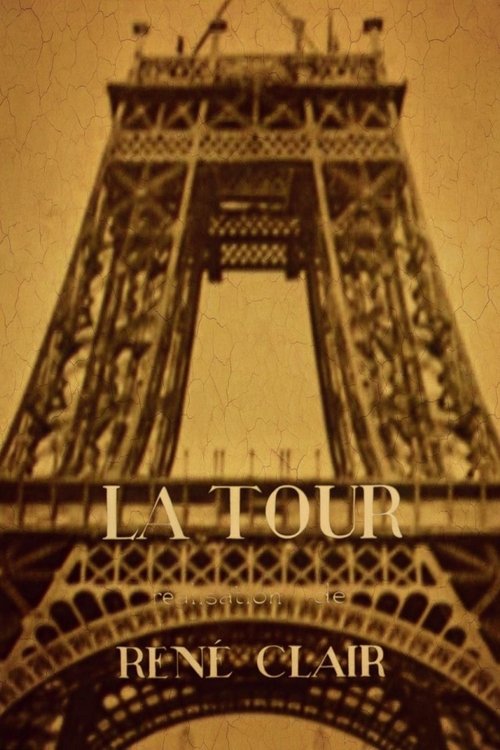
René Clair’s documentary is a formalist tribute to the Eiffel Tower and the mechanical energy of the modern era. It employs rhythmic montage and double exposures to showcase the intricate steelwork of the Parisian landscape. While the film excels as a poetic examination of urban connectivity, it remains rooted in its time. The social setting is predominantly uniform, emphasizing the rhythms of a specific French context rather than a diverse global community. Ultimately, the film prioritizes cinematic innovation and the aesthetic of the machine age over the exploration of diverse identities or the disruption of traditional social structures.
Category Breakdown
The film does not depict any non-traditional gender identities or same-sex relationships. Its focus is on the humor of everyday city life rather than exploring LGBTQ+ themes.
The film showcases the domestic and romantic dynamics of 1920s Paris. However, it follows typical period conventions without challenging traditional gender roles.
The film reflects the uniform social makeup of early 20th-century Paris. There is no indication of significant racial or ethnic diversity among the characters.
The movie highlights Western engineering and the excitement of the machine age. It examines the chaos of urban life but does not address anti-Western or anti-capitalist viewpoints.
The film does not feature any characters with visible or invisible disabilities. It does not explore themes related to neurodivergence or physical disabilities.
Present on Screen
Limited or Absent
Official Synopsis
A poetic documentary tribute to the famous Eiffel tower, built for the 1889 World Fair and intended to have been destroyed 20 years later. A vocal subset of Parisians (among which, one may surmise, Clair would've been counted) insisted the Tower remain above the River Seine, a continued display of French engineering excellence. Clair makes strategic use of double exposures and dissolves, capturing the mechanical exuberance of the Tower; The great swooping steel latticework edifice a bounding symbol of the modern age.
1929

1927
1921
1929
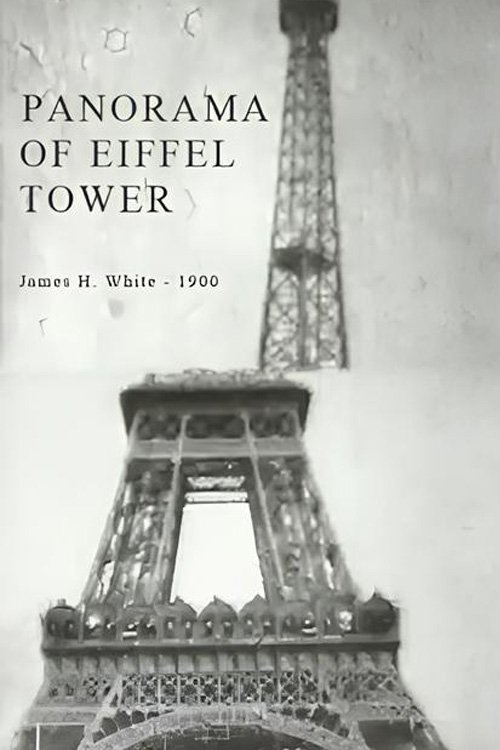
1900
1928
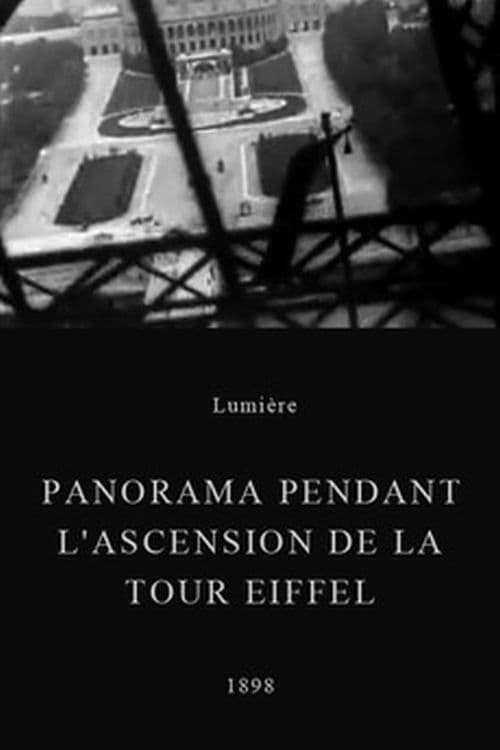
1898
1967
No reviews yet. Be the first to share your thoughts on this movie!
Use the rating form above to leave a star rating and optional review.