Skyscrapers of New York City, from the North River
1903
No user ratings available yet
Representation score: 0.2 out of 10
Representation Score
Minimal
1929
Director
Robert Florey
Runtime
9 minutes
Average Rating
No ratings yetNew Showbiz Analysis
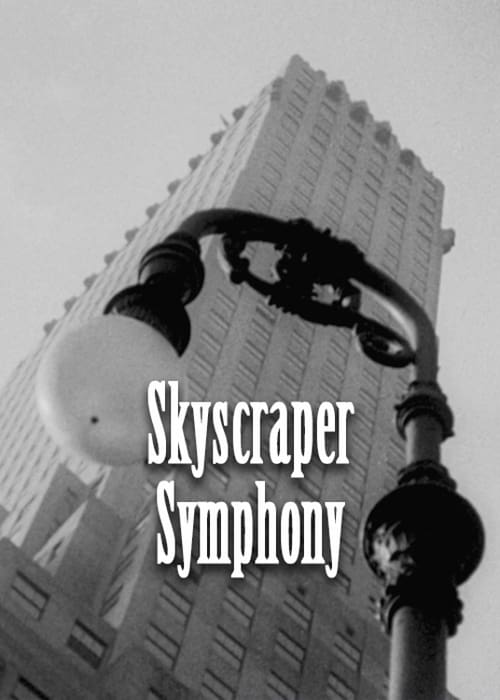
Skyscraper Symphony is a non-narrative documentary that focuses on the urban geometry of Manhattan. By concentrating on architecture rather than human stories, the film lacks the elements needed to represent social diversity. Since the film does not include human subjects, it cannot depict multi-layered aspects of identity or challenge social hierarchies. The low diversity score is due to the film’s focus on inanimate objects and urban structures.
Category Breakdown
The film focuses on the architecture of Manhattan without showing any human characters. Therefore, there are no representations of LGBTQ identities or narratives that challenge straight-centered assumptions.
The film concentrates solely on the inanimate Manhattan skyline. Since there are no human characters, there is no depiction of gender roles or interpersonal dynamics.
The visual narrative centers on the physical structures of the city. With no human characters, there is no opportunity to explore racial or ethnic diversity or challenge stereotypes.
The film highlights early 20th-century capitalism and urban expansion. It emphasizes the era's focus on industrial growth and Western technological achievements through its architectural focus.
The film consists of stationary and fluid shots of buildings. There are no representations of neurodivergence or physical disabilities.
Present on Screen
Limited or Absent
Official Synopsis
A montage of the skyscrapers of Manhattan opens with a succession of stationary views of the upper portions of numerous buildings. This is followed by a wide variety of fluid shots, which also begin to show more and more of the surrounding city, in addition to the skyscrapers themselves.
1903

1927
1905
1929
1921
1902
1959
1948
No reviews yet. Be the first to share your thoughts on this movie!
Use the rating form above to leave a star rating and optional review.