For the Defense
1930
No user ratings available yet
Representation score: 2.5 out of 10
Representation Score
Limited
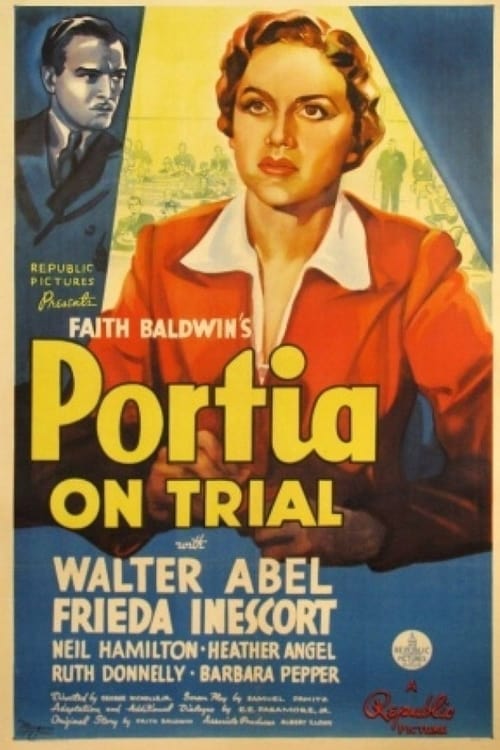
1937
ApprovedDirector
George Nichols Jr.
Runtime
72 minutes
Average Rating
No ratings yetNew Showbiz Analysis
Portia on Trial stands out for its focus on a female professional in a male-dominated genre. By centering the plot on a woman's intellectual and legal ability to act, the film challenges standard 1930s gender hierarchies. However, this progressiveness is limited. The film lacks racial, LGBTQ+, and disability representation, adhering to the homogeneous social structures of its era. The narrative remains rooted in a white, upper-class context. Ultimately, while the protagonist's professional role is empowering, the film's reliance on traditional romantic resolutions and its lack of multi-layered depth result in a low overall diversity score.
Category Breakdown
The film operates within a framework that assumes everyone is straight. All central romantic conflicts involve heterosexual relationships, such as Portia's relationships with Earle Condon and Dan Foster.
Portia Merryman provides a strong depiction of a woman's ability to drive the story as a professional lawyer. Her intellectual competence and role as the primary driver of the legal defense challenge typical era-specific passivity.
The narrative focuses on a homogeneous, white, upper-class social setting. Character names suggest a lack of racial or ethnic diversity within the legal and social environments portrayed.
The story critiques systemic corruption and the ruthless influence of wealth through John Condon. However, the plot ultimately resolves through conventional romantic entanglements.
There is no mention of characters with physical, sensory, or neurodivergent disabilities in the narrative.
Present on Screen
Limited or Absent
Official Synopsis
Lady lawyer Portia Merryman defends woebegone Elizabeth Manners, who is on trial for shooting her lover Earle Condon. Ironically, Portia herself had once had a relationship with Earle Condon, but Earle's father, powerful publisher John Condon, forced them apart. She has a pretty good idea of what is going on in Elizabeth's head, since she herself was on the verge of killing Earle Condon when his father ruthlessly took custody of her illegitimate son. As Portia toils and strains to free her client, she carries on a romance with Dan Foster -- the attorney for the prosecution. LA Law and The Practice have nothing on this one!
1930
1947
1932

1985
1932
1959
1938
1957
No reviews yet. Be the first to share your thoughts on this movie!
Use the rating form above to leave a star rating and optional review.