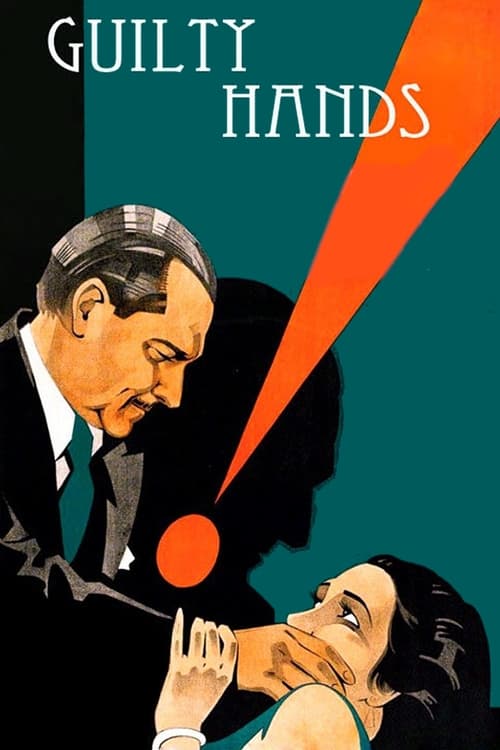
Guilty Hands
1931
No user ratings available yet
Representation score: 1.4 out of 10
Representation Score
Minimal
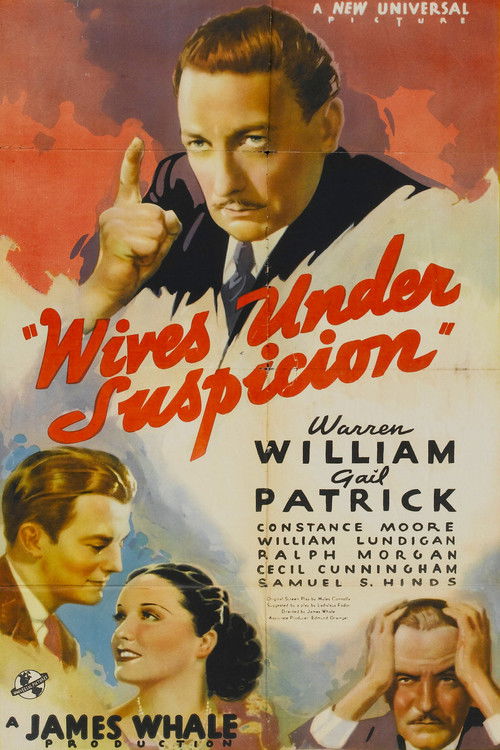
1938
ApprovedDirector
James Whale
Runtime
69 minutes
Average Rating
No ratings yetNew Showbiz Analysis
Wives Under Suspicion is a classic product of the 1938 studio system, emphasizing traditional comedic clichés over social diversity. The narrative relies heavily on conventional domestic structures and the 'battle of the sexes' dynamic, reinforcing traditional gender roles rather than challenging them. The film lacks meaningful representation of racial, ethnic, or LGBTQ+ identities, reflecting the demographic uniformity of its time. It operates within a narrow social context that upholds the period's standard moral and cultural norms. Ultimately, the production reflects the norms of 1930s society without the intention to challenge systemic structures or broaden the representation of underrepresented groups.
Category Breakdown
The film centers on heterosexual marriages and does not include any characters with non-binary gender identities or same-sex relationships.
The storyline revolves around the 'battle of the sexes' cliché typical of screwball comedies. Female characters are primarily driven by male reactions and suspicion.
The cast mirrors the demographic uniformity of 1930s Hollywood. The story focuses on a predominantly white, middle-class urban setting without diverse ethnic representation.
Themes of marital fidelity and family life align with traditional institutional values. The film does not address secular or anti-Western viewpoints.
There are no representations of physical, sensory, or neurodivergent disabilities. Characters serve as comedic archetypes without delving into the complexities of disability.
Present on Screen
Limited or Absent
Official Synopsis
A merciless district attorney prosecutes a case that mirrors his own life.
1931
1940
1939
1944
1932

1939

1932
1950
No reviews yet. Be the first to share your thoughts on this movie!
Use the rating form above to leave a star rating and optional review.