Si las mujeres mandaran (o mandasen)
1982
No user ratings available yet
Representation score: 5.0 out of 10
Representation Score
Fair
1962
Director
Jacques Baratier
Runtime
95 minutes
Average Rating
No ratings yetNew Showbiz Analysis
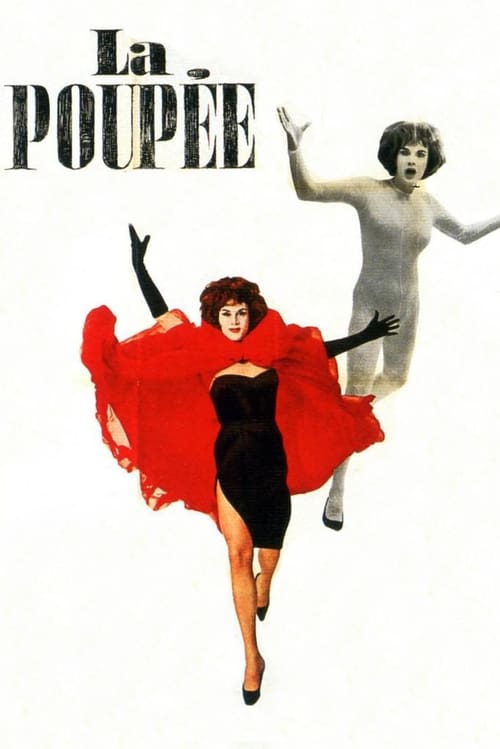
The Doll uses avant-garde satire to dismantle the perceived permanence of political and social hierarchies. It employs science fiction metaphors to question the authenticity of human roles within a state. While the film excels at deconstructing power structures and traditional gender roles, it lacks visibility regarding sexual orientation and disability. The setting provides a non-Western framework, though specific ethnic casting remains unconfirmed. Ultimately, the film is a critique of systemic authority that prioritizes political upheaval over individual identity representation.
Category Breakdown
The film does not include explicit LGBTQ+ characters or narratives. The story focuses on political substitution and technological replacement rather than exploring non-straight relationships.
Replacing a dictator's wife with a robot critiques the performative nature of traditional femininity. This science-fiction cliché challenges the expectations of domestic stability and gendered leadership.
Set in a mythical South American country, the film explores non-Western political structures. While specific casting details are unavailable, the setting suggests a departure from Eurocentric narratives.
The satire challenges the legitimacy of traditional autocracy and state authority. By depicting the replacement of leaders, the film critiques established institutions and systemic power hierarchies.
There is no discernible evidence regarding the portrayal of physical or neurodivergent disabilities within the film's context.
Present on Screen
Limited or Absent
Official Synopsis
An avant-garde political satire that takes place in a mythical country in South America. The dictator has been replaced by a look-alike revolutionary, and the dictator's wife has been replaced by a robot.
1982

1969

1966
1973

1965
1980

1949

1998
No reviews yet. Be the first to share your thoughts on this movie!
Use the rating form above to leave a star rating and optional review.