
The Twonky
1953
No user ratings available yet
Representation score: 0.4 out of 10
Representation Score
Fair
1966
NRDirector
Václav Vorlíček
Runtime
81 minutes
Average Rating
No ratings yetNew Showbiz Analysis
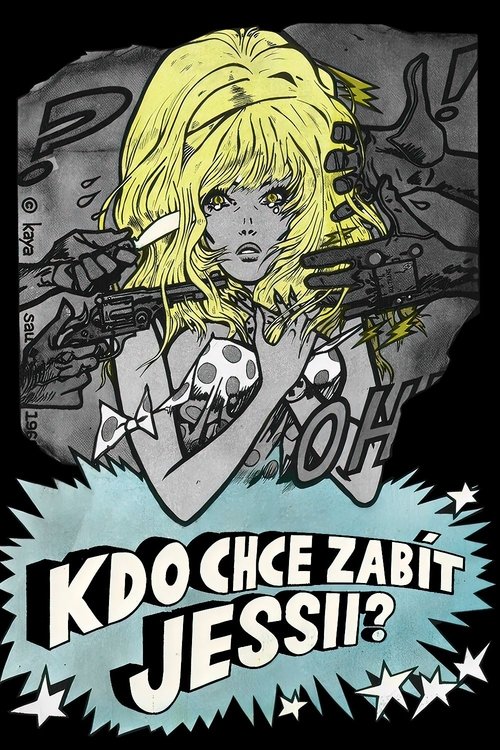
Václav Vorlíček’s surrealist comedy primarily explores science fiction and absurdity. While it lacks explicit representation of non-straight relationships or same-sex intimacy, it successfully challenges societal norms through its premise. The narrative architecture uses a malfunctioning dream machine to critique the stability of rationalist authority. However, the film remains a product of its specific historical and geographic context, resulting in a lack of ethnic diversity typical of mid-century Czechoslovakian cinema.
Category Breakdown
The film does not explicitly depict non-straight relationships or same-sex intimacy. Instead, it focuses on the chaos caused by a malfunctioning dream machine rather than exploring identity-related themes.
The story undermines the traditional male authority figures through the chaos of a malfunctioning dream machine. Slapstick humor is used to deconstruct the dignity of established masculine leadership.
The casting likely reflects the homogeneous demographic of 1960s Czechoslovakia, with no indication of diverse ethnicities or race-bent casting.
The film challenges rationalist thinking by bringing dream characters into the physical world. This subversion of objective reality critiques technological and institutional authority.
There are no characters with visible physical or neurodivergent disabilities. These themes do not play a central role in the narrative.
Present on Screen
Limited or Absent
Official Synopsis
In this zany Czechoslovakian comedy, a scientist invents a machine that projects a sleeping person's dream on a screen; disaster soon follows when the machine malfunctions and the cartoon-like dream characters become very real!
1953
1973
1980
1979
1976

1962
1962

1969
No reviews yet. Be the first to share your thoughts on this movie!
Use the rating form above to leave a star rating and optional review.