
OMG, I'm a Robot!
2015
No user ratings available yet
Diversity score: 4.6 out of 10
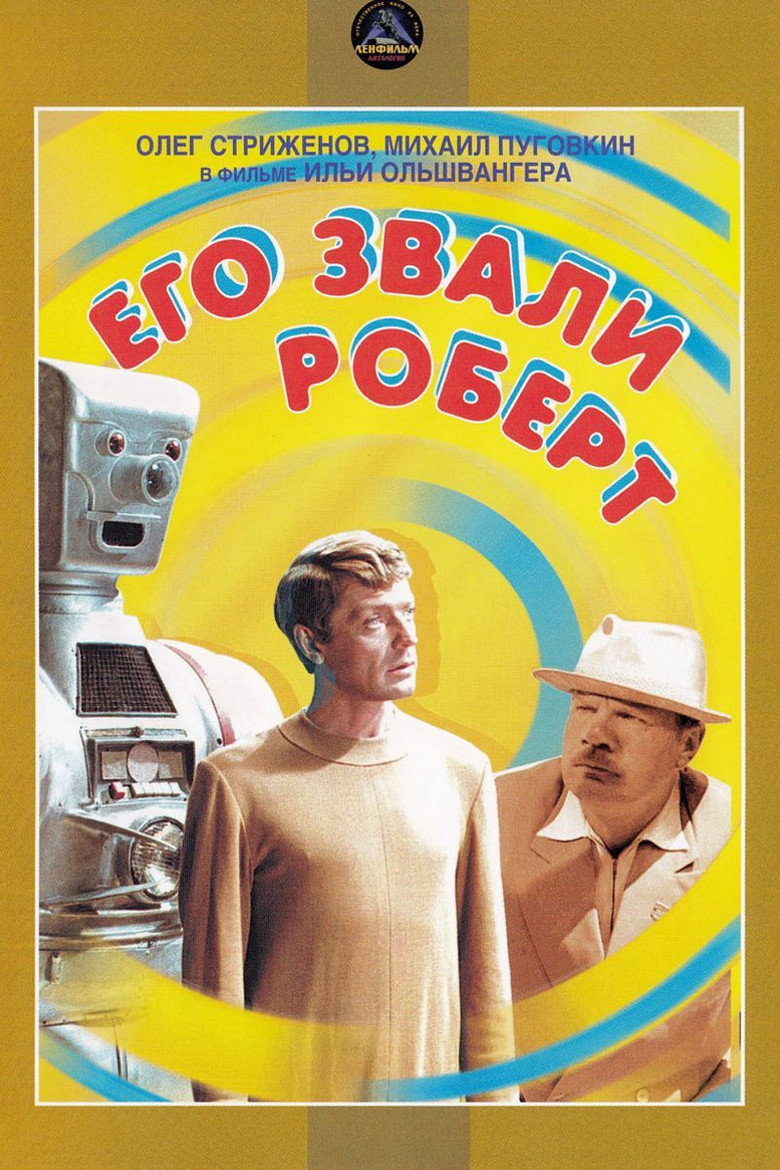
1967
Director
Ilya Olshvanger
Runtime
93 minutes
Average Rating
No ratings yetSynopsis
Sergei, a constructor creates a robot, Robert, as his own copy. Tanya teaches Robert to feel and the robot becomes more human than his rationalistic creator.
Overall Score
Fair
Category Breakdown
LGBTQ+ Representation
The film explores unconventional existence through the blurring of biological and artificial lines. While no explicit non-heteronormative pairings are confirmed, the focus on feeling suggests a departure from rigid identity structures.
Gender Representation
Tanya serves as a vital intellectual and emotional mentor rather than a passive figure. She disrupts traditional hierarchies by facilitating the robot's transcendence, granting her significant agency in defining humanity.
Racial & Ethnic Diversity
The production likely reflects the demographic homogeneity of the 1967 Soviet Union. There is no evidence of intentional racial blending or the use of non-human species as ethnic metaphors.
Religious & Cultural Diversity
The narrative prioritizes secular humanism and subjective experience over rigid, rationalistic systems. It critiques the coldness of scientific logic by favoring emotional truth and a fluid moral framework.
Disability Representation
Robert’s journey from machine to sentient being acts as a metaphor for neurodivergence. This provides a framework for discussing non-standard modes of existence and navigating a world not designed for one's makeup.
Strengths
Areas for Improvement
AI Analysis
The film functions as a philosophical sci-fi comedy that subverts the traditional 'master and creator' hierarchy. By centering the emotional intelligence of a non-traditional entity, it challenges the authority of purely rationalistic worldviews. While the film succeeds in promoting empathy and subjective agency, it remains limited by the demographic homogeneity typical of its 1967 Soviet production context. The narrative's strength lies in its humanistic exploration of personhood rather than explicit social representation. Ultimately, the work uses the artificial intelligence trope to explore the boundaries of identity, offering a nuanced look at what it means to exist outside of established structural rules.
2015
1976
1980
1975
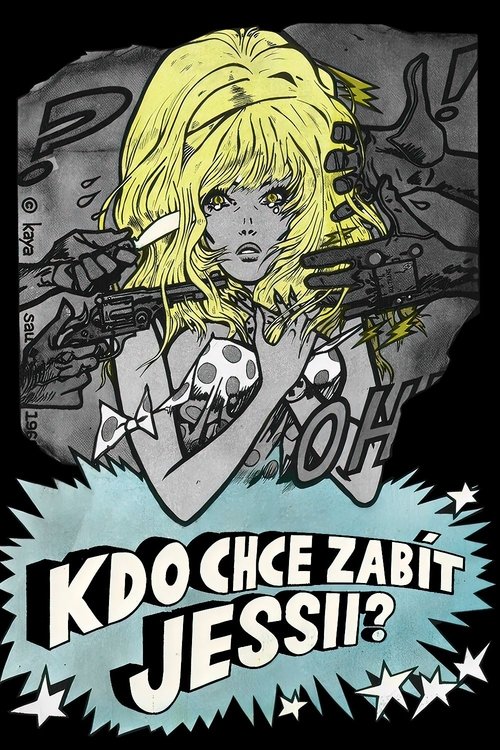
1966

2020
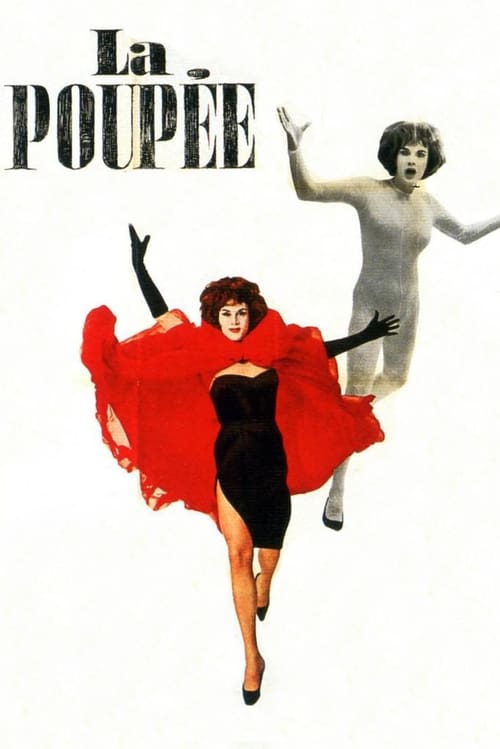
1962
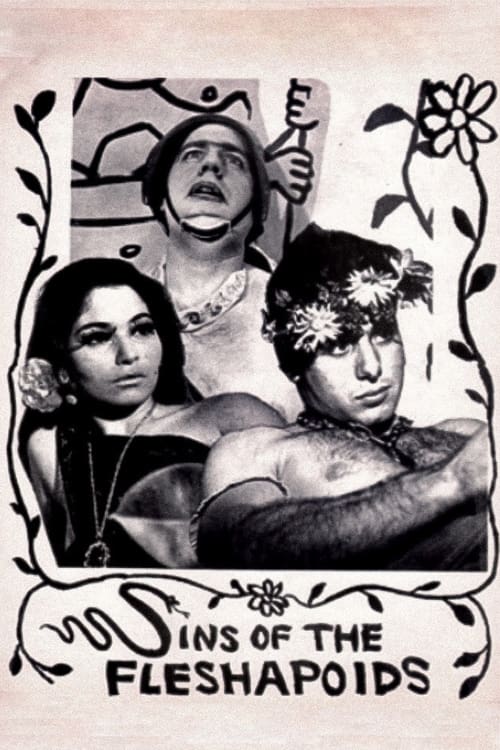
1965
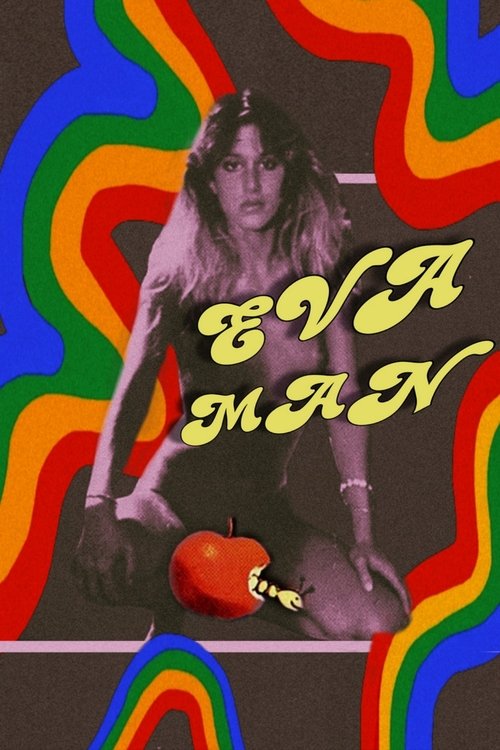
1980

1995

2014
1962
No reviews yet. Be the first to share your thoughts on this movie!
Use the rating form above to leave a star rating and optional review.