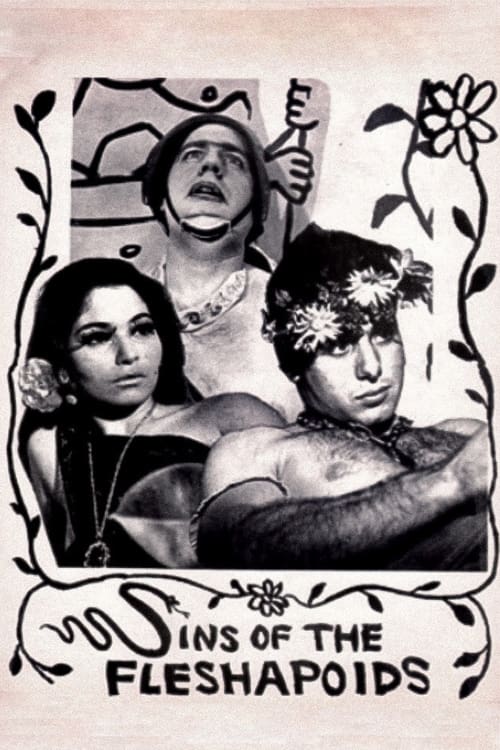
Sins of the Fleshapoids
1965
No user ratings available yet
Representation score: 5.8 out of 10

Representation Score
Good
1969
RDirector
Richard Lester
Runtime
91 minutes
Average Rating
No ratings yetNew Showbiz Analysis
Richard Lester’s surrealist comedy deconstructs Western social orders and institutional stability. Using a postmodern, non-linear structure, the film effectively undermines traditional hierarchies and consumerist logic. However, the work is limited by the era's cinematic norms, particularly regarding racial and LGBTQ+ visibility. The cast remains largely homogeneous, and the film lacks intentional representation of queer identities. While the film explores physical metamorphosis, these elements function as psychedelic metaphors for psychological dislocation rather than authentic portrayals of disability or neurodivergence.
Category Breakdown
The film does not explicitly depict LGBTQ+ identities or non-traditional gender expressions. The surreal atmosphere disrupts typical romantic themes, but there are no clear critiques of heteronormativity or active roles for queer characters.
The film challenges traditional storytelling by focusing on a female protagonist in a fragmented landscape. This shifts away from passive female roles and confronts conventional masculine authority and patriarchal thinking.
Reflecting the limitations of 1969 British cinema, the cast is predominantly white. The film operates within an Anglo-Saxon framework and lacks visible racial diversity or intentional casting that breaks from traditional expectations.
The narrative excels at critiquing Western institutional stability and consumerist society. It uses surrealism to portray bureaucratic structures as absurd, empty, and sources of social confusion.
Themes of mutation and physical transformation serve as surreal metaphors for alienation rather than nuanced portrayals of disability. Characters with disabilities lack significant roles or meaningful representation of neurodivergence.
Present on Screen
Limited or Absent
Official Synopsis
In the hazy aftermath of World War III, the fallout from a 'nuclear misunderstanding' is producing strange mutations amongst the survivors, and the noble Lord Fortnum finds himself transforming into a bed sitting room.
1965
1973
1970

1979
1974

1981
1972
1959
No reviews yet. Be the first to share your thoughts on this movie!
Use the rating form above to leave a star rating and optional review.