A Terrible Night
1896
No user ratings available yet
Representation score: 0.9 out of 10
Representation Score
Limited
1897
TV-PGDirector
George Albert Smith
Runtime
1 minutes
Average Rating
No ratings yetNew Showbiz Analysis
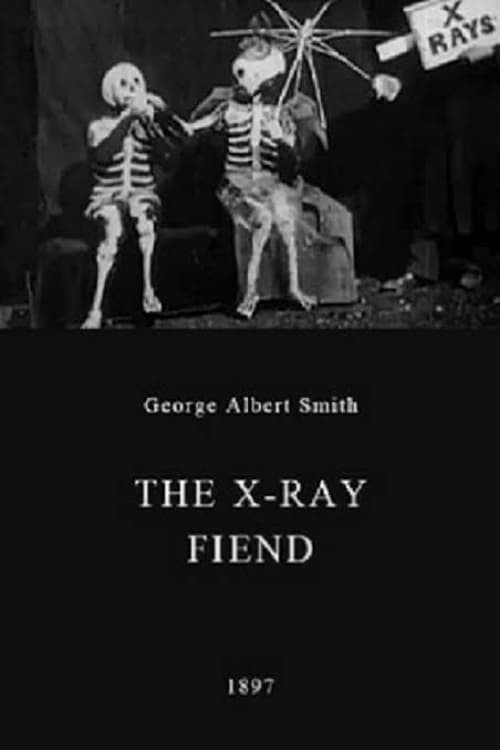
The X-Ray Fiend is a technical milestone that prioritizes cinematic innovation over social complexity. It serves primarily as a demonstration of the jump-cut and the novelty of X-ray imagery. Since the film focuses on a singular romantic couple undergoing a scientific transformation, it lacks the structural depth to engage with diverse identity frameworks. The narrative reflects the homogeneous social landscape of its era. Ultimately, the film is a showcase of early special effects rather than a vehicle for storytelling that reflects multiple aspects of identity.
Category Breakdown
The film centers on a romantic couple following the conventional pairing of the late 19th century. There is no indication of non-straight relationships or same-sex intimacy.
The movie uses scientific transformation to turn a man and a woman into skeletons. The power dynamics between characters are unclear, but they appear vulnerable during the jump-cut effects.
The film lacks a diverse cast, reflecting the homogeneous society of 1897 Britain. The focus remains solely on a singular romantic pair.
The story explores the intersection of science and the macabre rather than religious themes. It highlights technological novelty rather than social critiques.
There is no evidence of characters with visible or invisible disabilities being portrayed in this work.
Present on Screen
Limited or Absent
Official Synopsis
A romantic couple are transformed into skeletons via X-Rays. The film combines two very recent innovations: Wilhelm Roentgen's discovery of X-rays in 1895, and Georges Méliès' accidental realisation of the special-effects potential of the jump-cut in 1896.
1896
1909
1900

1903
1898
1897

1901
1909
No reviews yet. Be the first to share your thoughts on this movie!
Use the rating form above to leave a star rating and optional review.