The Bewitched Inn
1897
No user ratings available yet
Representation score: 1.7 out of 10

Representation Score
Limited
1903
Not RatedDirector
Georges Méliès
Runtime
5 minutes
Average Rating
No ratings yetNew Showbiz Analysis
Georges Méliès uses this short film to demonstrate early cinematic illusions and surreal disruptions. While the film effectively challenges perceptions of reality and peace, it does so primarily through visual spectacle rather than character depth. The production reflects the limited demographic scope typical of early 20th-century French cinema. It emphasizes fantastical narrative structures and stage illusions over intentional multi-layered character development or social critique.
Category Breakdown
The film does not include any characters with non-binary gender identities or same-sex relationships. There is no storyline that explores LGBTQ+ experiences.
A brief argument with the hostess slightly challenges the idea of women being passive. However, this interaction is too short to provide a deeper look into women's roles and ability to act.
The film reflects the homogeneous demographics of early 20th-century France, showing no diverse ethnic representation or casting actors from different racial backgrounds.
The story breaks down the stability of a traditional inn through surreal chaos. However, it does not explore anti-institutional or secularist themes to further cultural disruption.
There is no indication of how physical or neurodivergent disabilities are portrayed in this work.
Present on Screen
Limited or Absent
Official Synopsis
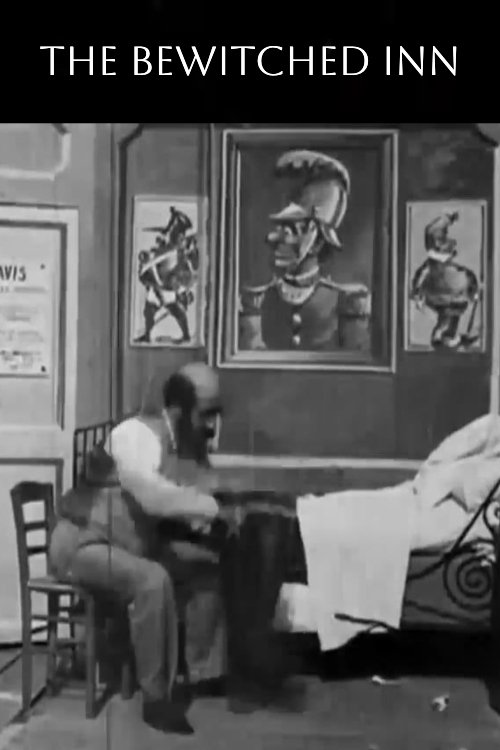
A traveller is shown to a room in an inn. After a brief dispute with the hostess and a porter, he is left to himself. But strange things begin to happen in his room, and before long he has created a disturbance that has everyone running to his room to find out what is going on.
1897
1905
1903
1909
1900
1909
1904
1900
No reviews yet. Be the first to share your thoughts on this movie!
Use the rating form above to leave a star rating and optional review.