
A Terrible Night
1896
No user ratings available yet
Representation score: 0.9 out of 10
Representation Score
Limited
1924
Director
Abel Gance
Runtime
19 minutes
Average Rating
No ratings yetNew Showbiz Analysis
Abel Gance’s early work emphasizes the visual storytelling techniques of silent film rather than social commentary. The film adheres to traditional comedic structures and archetypes of the 1920s. It focuses on localized conflicts and demographic norms of the era, avoiding broader identity or systemic critiques. While innovative in its technical execution, the film remains a product of its time, offering limited diverse perspectives or social subversion.
Category Breakdown
The film follows traditional romantic storylines typical of 1920s French comedies. It does not include any non-binary gender identities or same-sex relationships.
Gender roles in the film follow traditional patterns of the time. While the main character shows vulnerability, the film upholds conventional gender hierarchies.
The cast appears uniform, reflecting the demographics of early 20th-century French cinema. There are no non-white characters or actors playing roles outside their traditional backgrounds.
The story centers on local conflicts without broader cultural critiques. It stays within traditional Western comedic storytelling without addressing anti-Western themes.
Characters with disabilities are not shown taking active roles. Instead, they are used as comedic elements, focusing on nightmarish scenarios rather than exploring mental health issues.
Present on Screen
Limited or Absent
Official Synopsis
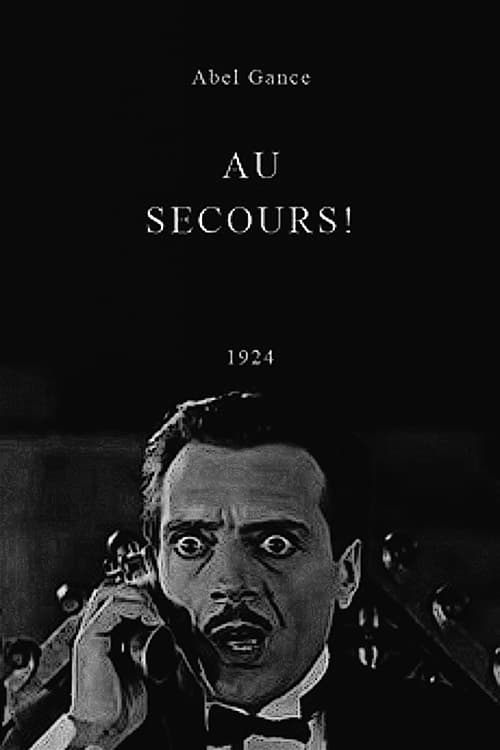
Max accepts a wager that he cannot remain in a haunted castle for one hour (11 PM to midnight) without crying for help. As soon as he arrives he encounters strange and nightmarish visions, but he is nevertheless on the verge of winning the bet when a phone-call brings startling news.
1896
1932
1928
1928
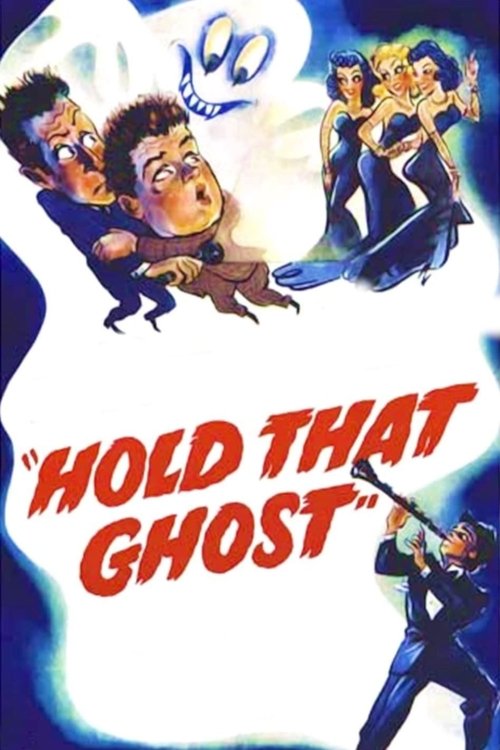
1941
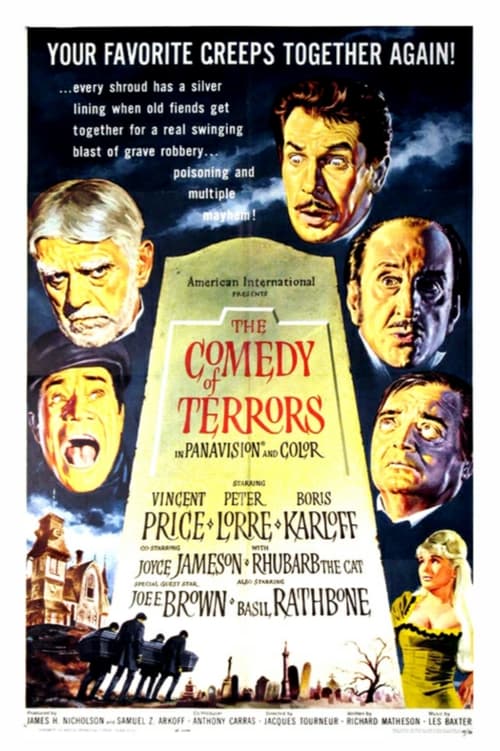
1964
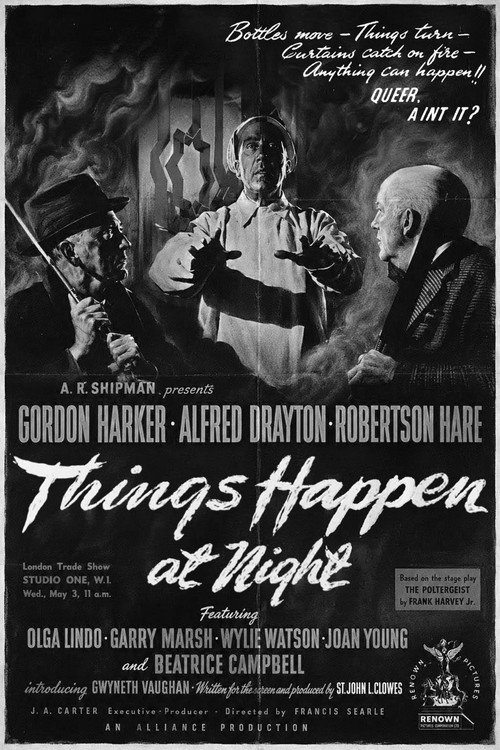
1948
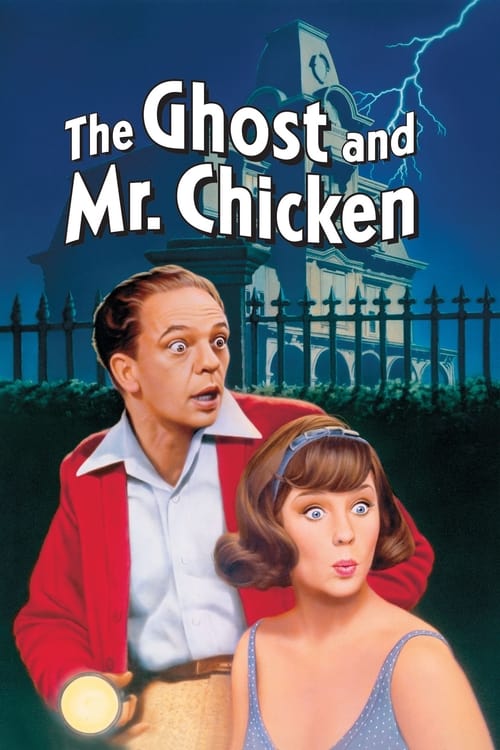
1966
No reviews yet. Be the first to share your thoughts on this movie!
Use the rating form above to leave a star rating and optional review.