As Seen Through a Telescope
1900
No user ratings available yet
Diversity score: 1.4 out of 10
1903
Director
George Albert Smith
Runtime
1 minutes
Average Rating
No ratings yetSynopsis
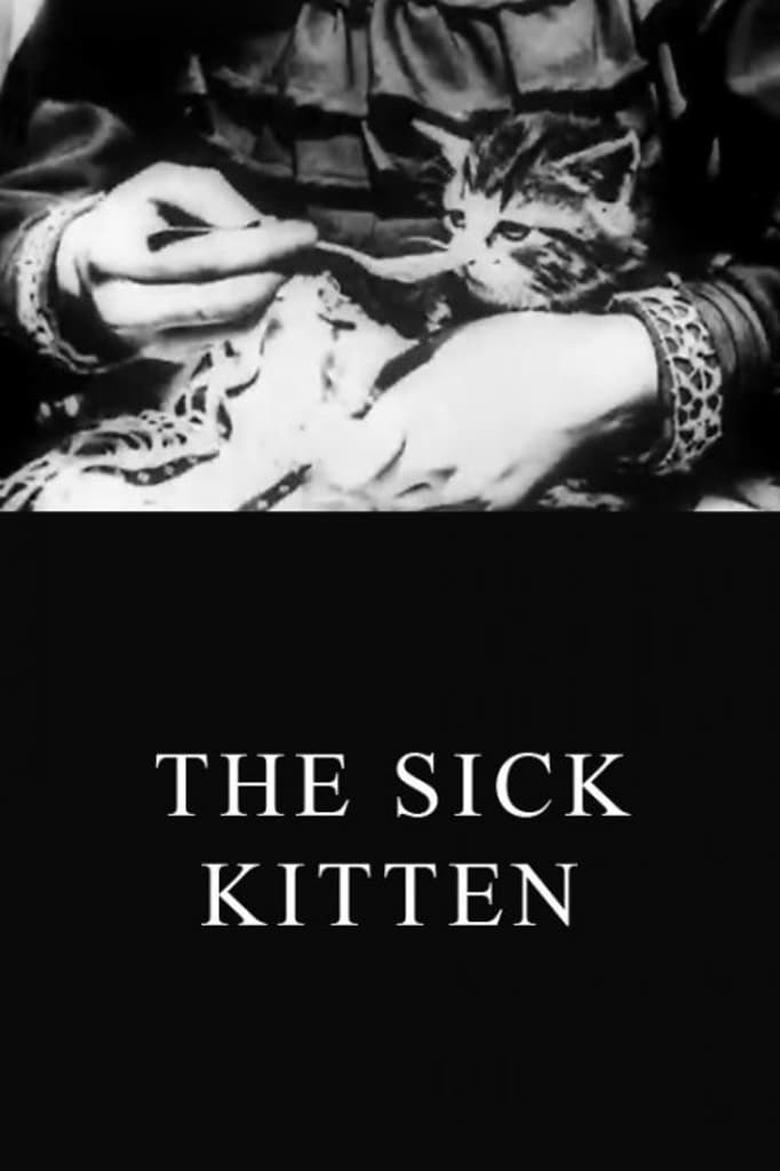
A simple scene of two rather flamboyantly-dressed Edwardian children attempting to feed a spoonful of medicine to a sick kitten. The film is important for being one of the earliest films to cut to a close-up, then back again to the same medium shot as before.
Overall Score
Minimal
Category Breakdown
LGBTQ+ Representation
The film contains no discernible depictions of non-cisnormative identities or queer narratives. The scope is limited to a brief interaction involving domestic care.
Gender Representation
Female presence is shown through the lens of domesticity. The characters engage in caretaking, which reinforces traditional gender roles of the Edwardian era rather than challenging them.
Racial & Ethnic Diversity
The film presents a homogeneous depiction of the Edwardian middle class. There is no evidence of racial or ethnic diversity in the casting or setting.
Religious & Cultural Diversity
The work adheres to traditional Western domestic ideals. It portrays a stable, middle-class environment centered on care and order without critiquing social structures.
Disability Representation
There is no representation of human disability or neurodivergence. The sick kitten serves as a narrative device for a cinematic trick rather than a study of lived experience.
Strengths
Areas for Improvement
AI Analysis
The Sick Kitten is a historical artifact of technical progression rather than social commentary. Its rudimentary narrative architecture lacks the complexity required to engage with modern intersectional themes or identity politics. The film operates within a highly traditional framework, emphasizing domestic stability and conventional social roles. It functions as a localized, domestic vignette reflecting the strict socio-cultural frameworks of the early 20th century. Ultimately, the work serves as a baseline for understanding the evolution of visual storytelling. It prioritizes technical innovation, such as the pioneering use of the close-up, over the exploration of systemic power dynamics.
1900
1903
1897
1897
1899
1905
1907

1909

1908
1901

1895

1907
No reviews yet. Be the first to share your thoughts on this movie!
Use the rating form above to leave a star rating and optional review.