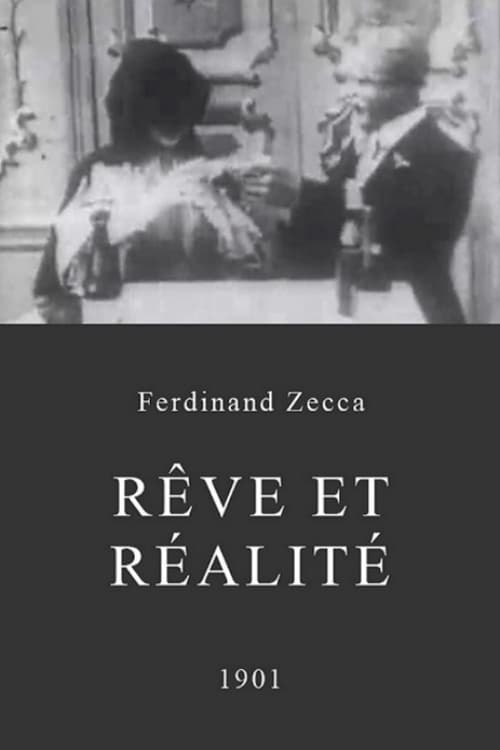
Dream and Reality
1901
No user ratings available yet
Diversity score: 2.2 out of 10
No Poster Available
1900
Director
George Albert Smith
Runtime
1 minutes
Average Rating
No ratings yetSynopsis
Possibly the first film to utilize the technique of focus pulling. A man kisses a beautiful and lively woman, then the image blurs and dissolves into a clear image of the man waking up to his nagging wife.
Overall Score
Limited
Category Breakdown
LGBTQ+ Representation
The film focuses on a heteronormative romantic fantasy. There are no depictions of non-cisnormative identities or same-sex intimacy.
Gender Representation
The story relies on a binary contrast between an idealized dream partner and a nagging wife. This reinforces traditional hierarchies by framing the spouse through domestic dissatisfaction.
Racial & Ethnic Diversity
The cast reflects the homogeneous demographic standards of the Edwardian era. There is no visible evidence of racial or ethnic diversity.
Religious & Cultural Diversity
The narrative operates within traditional Victorian and Edwardian social structures. It emphasizes conventional views of marriage and family through a brief comedic vignette.
Disability Representation
No characters with visible or invisible disabilities are identified in the film's narrative or historical records.
Strengths
Areas for Improvement
AI Analysis
George Albert Smith’s early work serves more as a technical demonstration of focus pulling and dissolves than a complex narrative study. The film relies heavily on period-specific tropes to drive its brief comedic arc. While the film is a foundational piece of cinema history, its social architecture is limited by the era's conventions. It presents a narrow view of romance and domesticity, lacking any meaningful intersectional depth. Ultimately, the film functions as a character-driven vignette that reinforces the status quo of 1900, prioritizing technical experimentation over diverse storytelling.
1901
1896
1908
1897
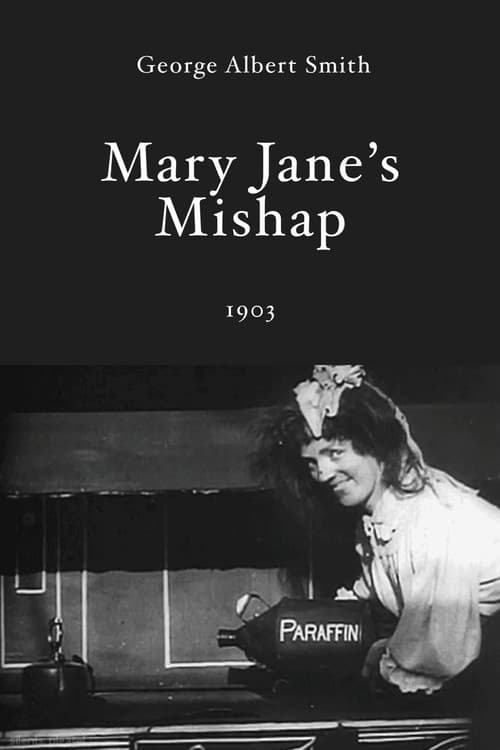
1903
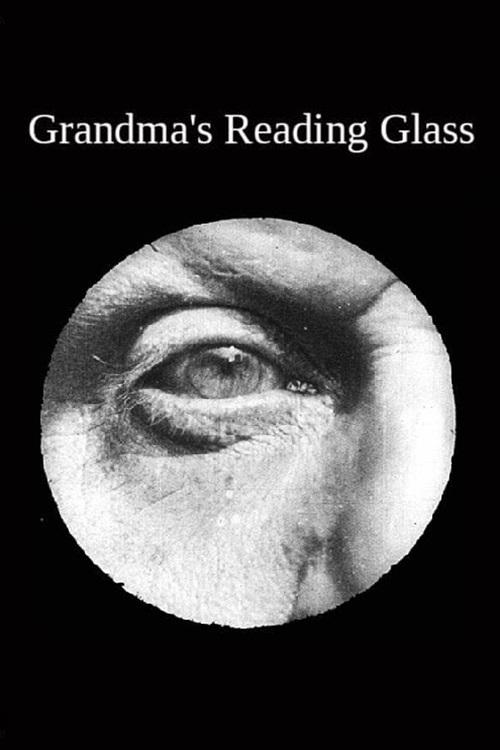
1900
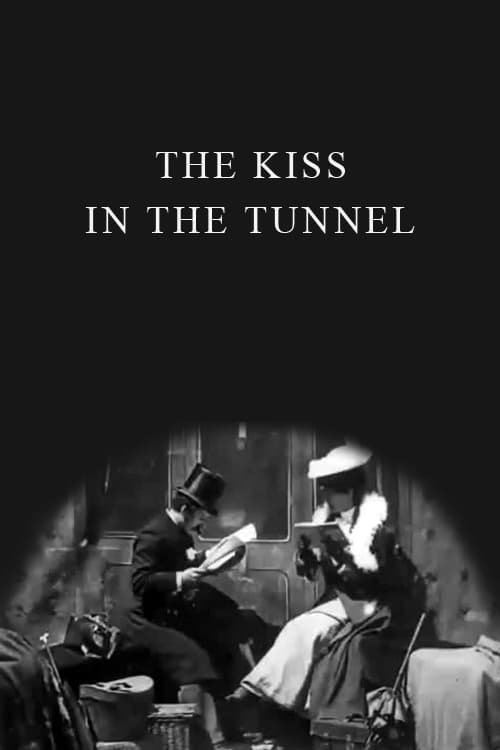
1899
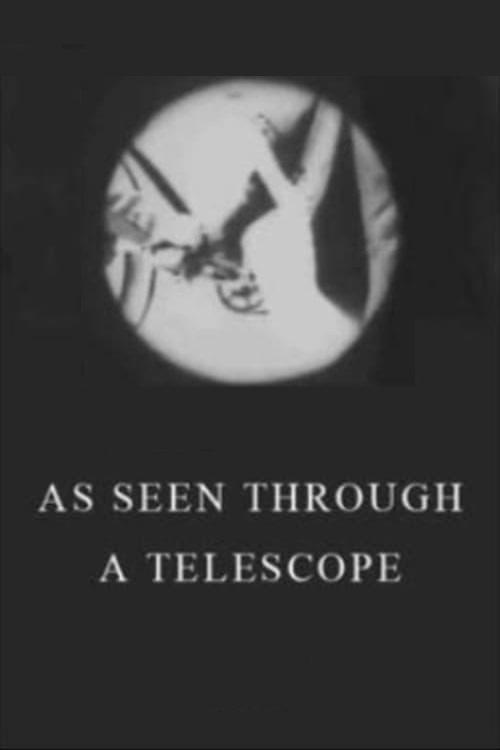
1900
No reviews yet. Be the first to share your thoughts on this movie!
Use the rating form above to leave a star rating and optional review.