
Messalina
1924
No user ratings available yet
Representation score: 3.4 out of 10
Representation Score
Fair
1951
Director
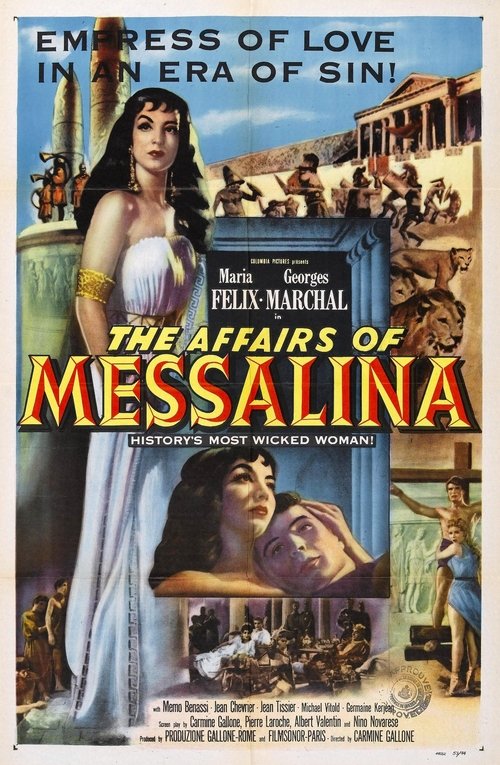
Carmine Gallone
Runtime
109 minutes
Average Rating
No ratings yetNew Showbiz Analysis
The film highlights progressive gender dynamics while maintaining traditional casting practices. Although it does not include LGBTQ+ identities, racial diversity, or disability representation, it successfully centers a powerful female protagonist. Messalina is not a passive character but a force that challenges the patriarchal order. Her role as a key political player and her autonomy provide a significant contrast to the era's typical cinematic norms. Ultimately, the film's impact lies in its exploration of the corruption of the Roman elite and the breakdown of social order, highlighting the tension between desire and law.
Category Breakdown
The film does not explicitly depict non-straight relationships or same-sex intimacy. It focuses solely on heterosexual and cisgender relationships typical of historical dramas.
The movie centers on Messalina, who actively shapes history and often outshines male leadership. It challenges passive female stereotypes by highlighting her personal ability to act and sexual autonomy.
The cast is primarily white and uniform, reflecting the production standards of the 1950s. It sticks to a traditional portrayal of the Roman imperial class without incorporating diverse ethnic backgrounds.
The storyline dismantles the stability of the Roman State by portraying imperial decadence as a product of systemic issues. Traditional structures are shown as arenas for destructive political manipulation.
There is no visible representation of physical or cognitive disabilities. Characters are depicted using classic archetypes of health or dramatic frailty rather than authentic disability portrayals.
Present on Screen
Limited or Absent
Official Synopsis
A story, set in Rome of 44 A.D., concerning the amorous and political intrigues of the evil Empress Messalina, the wife of the Roman Emperor Claudius, and her eventual hounding to death.
1924

1957
1960

2009
1982
1963
1961

1951
No reviews yet. Be the first to share your thoughts on this movie!
Use the rating form above to leave a star rating and optional review.