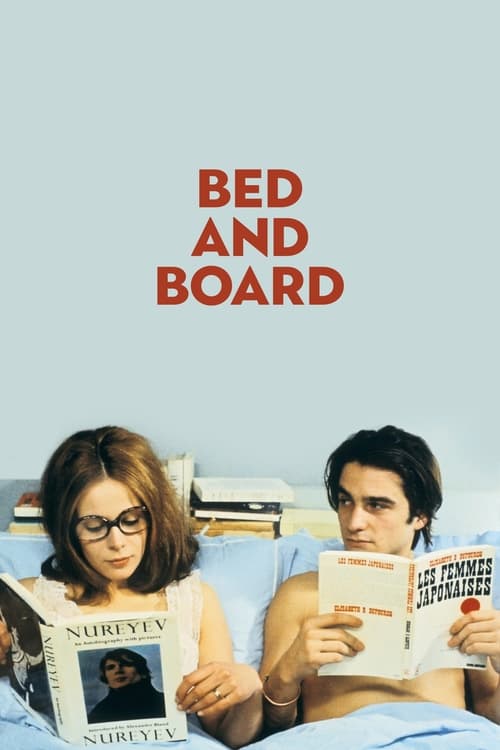
Bed and Board
1970
No user ratings available yet
Representation score: 3.3 out of 10
Representation Score
Limited
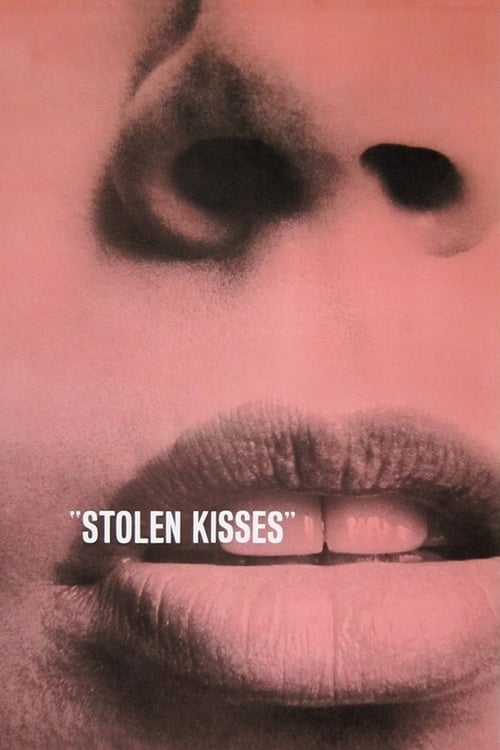
1968
RDirector
François Truffaut
Runtime
90 minutes
Average Rating
No ratings yetNew Showbiz Analysis
François Truffaut’s *Stolen Kisses* is a character-driven film that emphasizes personal growth over institutional structures. While it excels in depicting women as independent agents, it falls short in representing diverse racial and LGBTQ+ identities. The film’s strength lies in its portrayal of women as complex individuals with their own goals, avoiding typical submissive female roles. However, its homogeneous cast and focus on heterosexual relationships limit its diversity, making it a deeply personal story but narrow in scope.
Category Breakdown
The film adheres to a conventional focus on heterosexual relationships. There are no notable queer narratives or characters.
Female characters like Christine and Fabienne are portrayed as independent and intellectually rich. They have their own desires and are not depicted as passive love interests.
The film is set in 1960s Paris and features a predominantly white cast. It reflects the demographics of its time without showcasing diverse ethnic backgrounds.
The story highlights a sense of aimlessness among young characters and rejects strict social norms. It centers on personal experiences and situational ethics rather than institutional or religious morals.
There are no significant representations of characters with visible or invisible disabilities. Disabilities are not used as plot devices in the narrative.
Present on Screen
Limited or Absent
Official Synopsis
The third in a series of films featuring François Truffaut's alter-ego, Antoine Doinel, the story resumes with Antoine being discharged from military service. His sweetheart Christine's father lands Antoine a job as a security guard, which he promptly loses. Stumbling into a position assisting a private detective, Antoine falls for his employers' seductive wife, Fabienne, and finds that he must choose between the older woman and Christine.
1970
1965

2002

1963
1993
1972
1977

1971
No reviews yet. Be the first to share your thoughts on this movie!
Use the rating form above to leave a star rating and optional review.