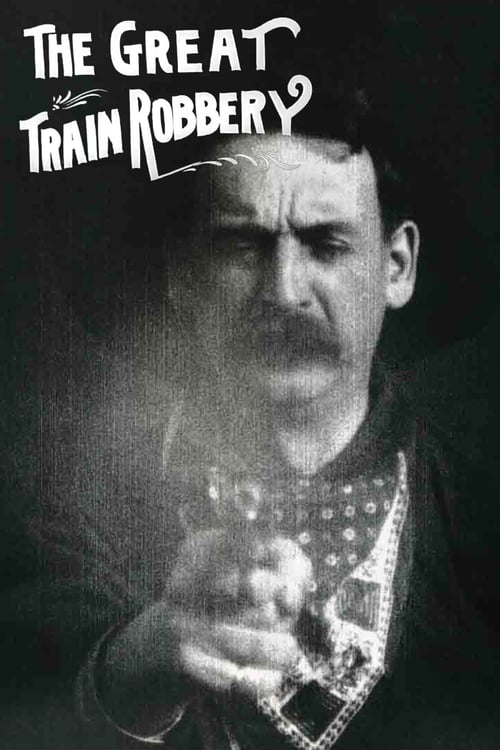
The Great Train Robbery
1903
No user ratings available yet
Representation score: 0.4 out of 10
Representation Score
Fair
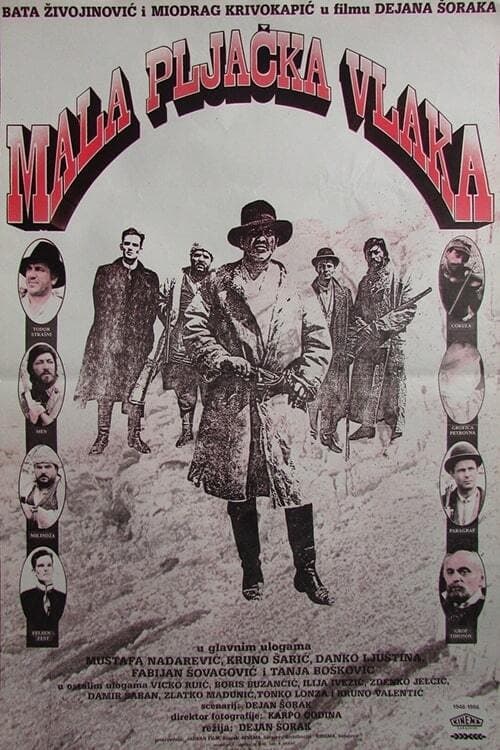
1984
Director
Dejan Šorak
Runtime
103 minutes
Average Rating
No ratings yetNew Showbiz Analysis
The Little Train Robbery is a period-specific Western-style film that explores the breakdown of order during the collapse of the Austro-Hungarian Empire. It emphasizes historical atmosphere and the tension between law and lawlessness over diverse representation. While the film lacks diverse representation, it avoids simple institutional narratives. Instead, it provides a nuanced, morally ambiguous look at authority through its central conflict between the gendarmery and local outlaws.
Category Breakdown
The film focuses on traditional masculine roles such as outlaws and lawmen. There are no explicit LGBTQ+ characters or stories that challenge the idea that everyone is straight.
The story revolves around male leaders and combat scenarios. The main conflict is between two male figures, Cokula and Todor.
Set during the fall of the Austro-Hungarian Empire, the film explores the ethnic complexities of the Balkans. It highlights regional types rather than a mix of many cultures.
The story critiques the weakening imperial system and the declining administration. It uses moral relativism to show the tension between centralized state power and local resistance.
There are no characters with visible or invisible disabilities mentioned in the film.
Present on Screen
Limited or Absent
Official Synopsis
Lika, Austro-Hungarian Empire, the year is 1918, the last year of WWI. In a wasteland rocky area, among ravines there is a small gendarmery police station with several gendarmes headed by sergeant Cokula. The area is controlled by a group of outlaws led by Todor nicknamed "The Terrible". Sergeant Cokula and Todor did not bother each other, until bandits robbed the emperor's inspector.
1903

1939
2004
1948
1906
1968
1956
1968
No reviews yet. Be the first to share your thoughts on this movie!
Use the rating form above to leave a star rating and optional review.