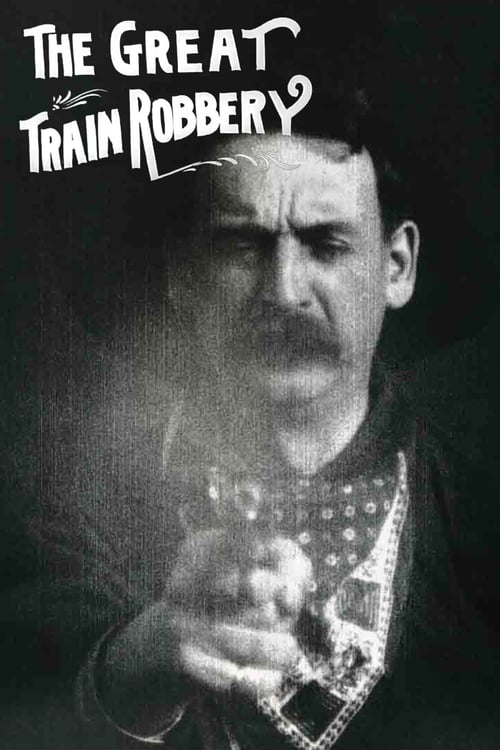
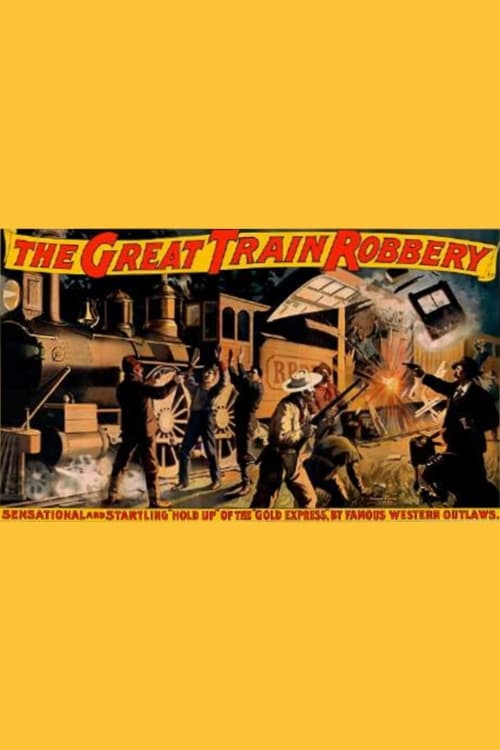
The Great Train Robbery
1903
No user ratings available yet
Representation score: 0.4 out of 10
Representation Score
Minimal
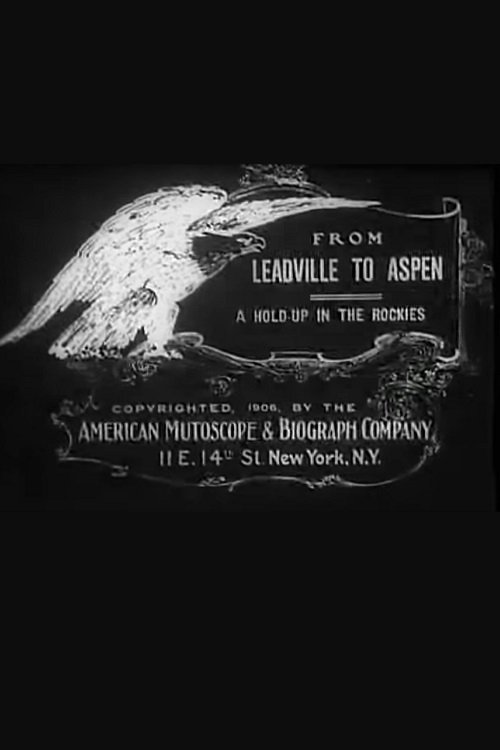
1906
Director
Wallace McCutcheon Sr.
Runtime
8 minutes
Average Rating
No ratings yetNew Showbiz Analysis
This early Western functions as a historical artifact of silent cinema, prioritizing kinetic action and clear-cut moral archetypes. The plot follows a standard crime-and-pursuit framework that reinforces the social hierarchies of the early 20th century. The film lacks intentionality regarding identity or power dynamics. Instead, it relies on established genre clichés, such as the 'hold-up,' which typically centered on homogeneous casting and traditional gender roles. Ultimately, the work reflects the conservative cinematic structures of 1906, offering a narrative driven by restorative justice rather than social subversion.
Category Breakdown
The film does not include any LGBTQ+ characters or narratives. It adheres to the social norms of 1906, lacking any framework for queer identity.
The story focuses on masculine-coded action involving thugs and wealthy occupants. There is no indication of femininity providing intellectual or physical ability to act.
The film reflects a homogeneous view of the American frontier typical of its era. It lacks evidence of diverse racial or ethnic representation.
The story centers on a traditional conflict between lawlessness and established order. It does not critique Western institutions or promote secularism.
No visible or invisible disabilities are portrayed. Characters are defined solely by their roles within the crime and pursuit narrative.
Present on Screen
Limited or Absent
Official Synopsis
A train traveling through the Rockies is held up and boarded by two thugs. They rob the wealthy occupants at gunpoint and then make their getaway by handcar. From there, they hijack a horsecart on a road running parallel to the tracks. Will justice prevail in the end?
1903
1940
1950
1904
1935
1923
1900
1926
No reviews yet. Be the first to share your thoughts on this movie!
Use the rating form above to leave a star rating and optional review.