
Louis Theroux: Behind Bars
2008
No user ratings available yet
Representation score: 8.1 out of 10
Representation Score
Good
1994
TV-MADirector
Jon Alpert, Nina Rosenblum
Runtime
75 minutes
Average Rating
No ratings yetNew Showbiz Analysis
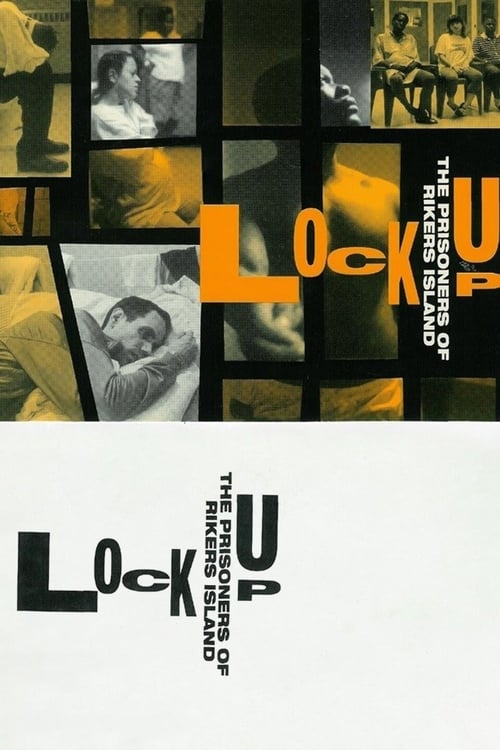
Lock-Up: The Prisoners of Rikers Island is a powerful documentary that shifts the focus from individual crimes to systemic victimhood. Its greatest strength lies in its unflinching examination of how the American justice system disproportionately affects people of color. However, the film's scope is limited in terms of identity. The narrative is dominated by male perspectives and lacks specific, centered stories about LGBTQ+ experiences or gender-challenging themes. Ultimately, the documentary succeeds as a critique of institutional power. It provides a sophisticated deconstruction of the carceral state by prioritizing the lived realities of those caught in cycles of poverty and neglect.
Category Breakdown
The film focuses on broader systemic issues rather than specific LGBTQ+ narratives. While it doesn't center non-cisgender identities, it avoids harmful stereotypes.
The narrative heavily emphasizes the male perspective, reflecting the prison's demographics. It highlights a hyper-masculine environment without actively challenging traditional gender roles.
The documentary centers Black and Latino individuals, disrupting the typical white-centric lens. It highlights the disproportionate impact of the legal system on communities of color.
The film critically examines the effectiveness of Western institutions. It portrays the American carceral system as a flawed, oppressive structure driven by systemic neglect.
The film provides an honest look at the intersection of mental health and incarceration. It captures psychological trauma without resorting to inspirational clichés.
Present on Screen
Limited or Absent
Official Synopsis
If you're arrested in New York City and can't make bail, you'll be sent to Rikers Island -- a mammoth holding facility for 17,000 men and women awaiting trial. TV journalist Jon Alpert spent ten months filming there, coming away with a graphic and unblinking portrait of life inside America's largest jail complex, including a moving look at the human faces behind the statistics.
2008

1967

1989

2020

2009

2008
1991

2008
No reviews yet. Be the first to share your thoughts on this movie!
Use the rating form above to leave a star rating and optional review.