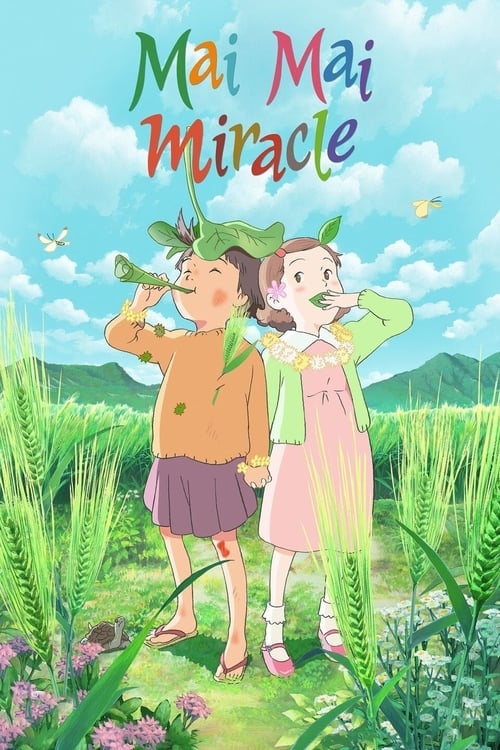
Mai Mai Miracle
2009
No user ratings available yet
Diversity score: 4.9 out of 10

1996
Director
Toshiyuki Hiruma, Takashi Masunaga
Runtime
49 minutes
Average Rating
No ratings yetSynopsis
The classic tale of a loveable, outcast hunchback and the gypsy girl he adores is transformed into a musical, warmhearted animated classic in this delightfully updated version of a stirring masterpiece.
Overall Score
Good
Category Breakdown
LGBTQ+ Representation
The film focuses on a traditional romantic pairing between the hunchback and a gypsy girl. There is no explicit evidence of non-heteronormative identities or same-sex intimacy.
Gender Representation
The story centers on a romantic duo consisting of an outcast protagonist and a female lead. It remains unclear if the film subverts traditional gender roles or emphasizes female agency.
Racial & Ethnic Diversity
The inclusion of a gypsy girl provides a foundation for ethnic diversity. The narrative explores the tension between marginalized groups and dominant social structures through these characters.
Religious & Cultural Diversity
By centering on outcasts, the film engages with themes of systemic exclusion and institutional critique. It explores characters living on the fringes of established social institutions.
Disability Representation
The protagonist is a hunchback described as loveable. This suggests a character-driven arc where physical difference does not prevent the character from possessing emotional depth and heroism.
Strengths
Areas for Improvement
AI Analysis
This animated musical adaptation centers its narrative on marginalized identities, specifically through a disabled protagonist and a Romani character. These elements provide a baseline for intersectional storytelling within a classic framework. While the film explores themes of social exclusion and the tension between outcasts and dominant structures, it adheres to a relatively traditional romantic architecture. The focus remains on a central duo rather than a broad spectrum of diverse identities. Ultimately, the film succeeds in humanizing physical difference and ethnic marginalization, though it lacks explicit evidence of progressive gender subversion or queer representation.
2009
1999
2002
1991
1995
No reviews yet. Be the first to share your thoughts on this movie!
Use the rating form above to leave a star rating and optional review.