Beauty and the Beast
1991
No user ratings available yet
Representation score: 4.7 out of 10
Representation Score
Excellent
1996
GDirector
Gary Trousdale, Kirk Wise
Runtime
91 minutes
Average Rating
No ratings yetNew Showbiz Analysis
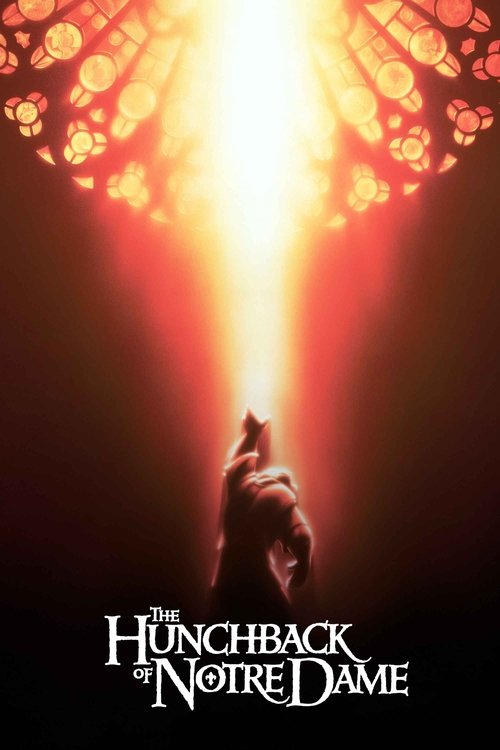
The film stands out by giving significant roles to its underrepresented characters, especially Esmeralda and Quasimodo. It goes beyond superficial inclusion to delve into systemic prejudice and social exclusion. However, the narrative remains strictly centered on traditional heterosexual relationships, with no representation of LGBTQ+ identities. This absence restricts the film's progressive scope. Ultimately, the film's strength lies in its nuanced critique of institutional power and traditional Western morality.
Category Breakdown
The story centers around traditional romantic tensions and desires, lacking representations of diverse sexual orientations and gender identities.
Esmeralda disrupts traditional gender roles through her strong influence and fearless actions. The film also questions masculinity by portraying Frollo as a morally flawed authority figure.
Esmeralda highlights ethnic exclusion and systemic discrimination. The film showcases a vibrant community of outcasts that contrasts the era's homogeneous power structures.
The narrative critiques Western institutional power by presenting the Church and State as potentially corrupt entities. It explores how religious doctrine can justify oppression.
Quasimodo’s physical differences serve as a lens for examining social exclusion rather than being used for mockery. The film emphasizes his struggle for dignity and personal experiences.
Present on Screen
Limited or Absent
Official Synopsis
Isolated in the bell tower of Notre Dame, Quasimodo longs to experience the world beyond the cathedral walls, despite the wishes of his stern guardian, the Judge of Paris Claude Frollo. His first venture into the city leads him to Esmeralda, a fearless Romani woman whose defiance of Frollo's tyranny draws her—and Quasimodo—into his dangerous obsession.
1991
2006
1998

1998
2002

2002
1996
2007
No reviews yet. Be the first to share your thoughts on this movie!
Use the rating form above to leave a star rating and optional review.