Pinochet in Suburbia
2006
No user ratings available yet
Representation score: 8.4 out of 10
Representation Score
Fair
1991
PGDirector
Ken Russell
Runtime
88 minutes
Average Rating
No ratings yetNew Showbiz Analysis
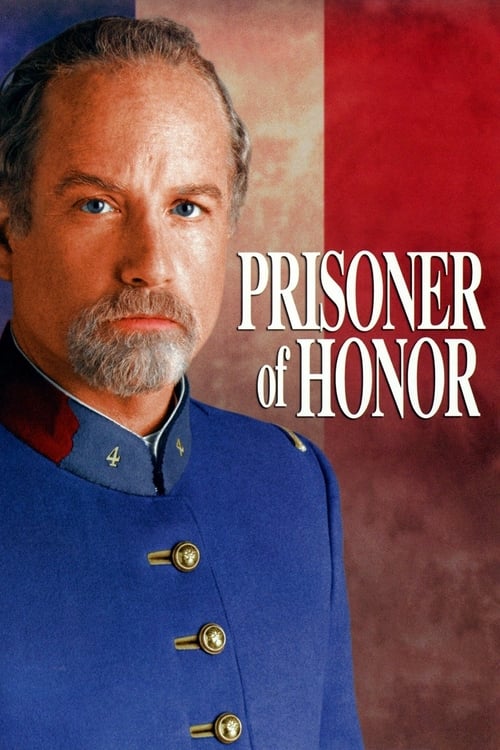
Prisoner of Honor is a historical drama that primarily serves as a critique of institutional corruption. It centers on the Dreyfus Affair, using the wrongful imprisonment of a Jewish officer to expose state-sponsored antisemitism and systemic injustice. While the film lacks modern identity-based representation such as LGBTQ+ or disability narratives, it excels in cultural subversion. It deconstructs the perceived infallibility of Western state institutions, framing the government as a site of corruption rather than a source of order. The film's strength lies in its examination of racialized power dynamics and its challenge to traditional authority, though it remains anchored in a male-dominated historical framework.
Category Breakdown
The film focuses on the political and legal struggle of Alfred Dreyfus. There is no explicit depiction of LGBTQ+ identities or same-sex relationships.
The narrative is driven by male political figures and a male-dominated military hierarchy. However, it critiques the rigid, patriarchal structures of the French government.
The core conflict is rooted in the systemic antisemitism of the late 19th-century French state. It highlights how ethnic prejudice impacts individuals.
The film portrays Western institutions, like the military and legal system, as corrupt and oppressive. It challenges official truths to prioritize systemic justice.
There is no significant evidence regarding the portrayal of physical or neurodivergent disabilities in this work.
Present on Screen
Limited or Absent
Official Synopsis
France, 1897: Colonel Georges Picquart challenges the government when he discovers the obscure political maneuvers that leads to the imprisonment of the Jewish Captain Alfred Dreyfus after being convicted of espionage three years earlier.
2006

1937

2007

1971

2015
2019

1992

2010
No reviews yet. Be the first to share your thoughts on this movie!
Use the rating form above to leave a star rating and optional review.