Bright Star
2009
No user ratings available yet
Representation score: 4.0 out of 10
Representation Score
Limited
2015
PG-13Director
Thomas Vinterberg
Runtime
119 minutes
Average Rating
No ratings yetNew Showbiz Analysis
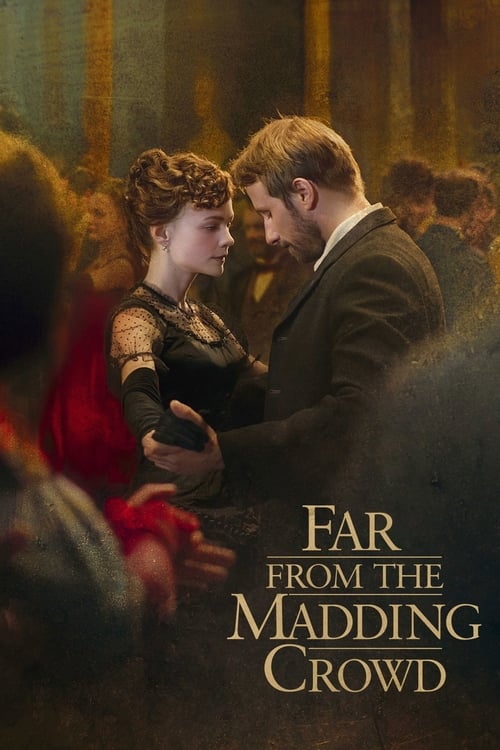
Thomas Vinterberg’s adaptation examines individual autonomy in conflict with rigid historical structures. The film excels in subverting traditional gender hierarchies by placing a woman in a position of significant economic and social power. However, the narrative is constrained by its historical context, leading to a lack of racial, LGBTQ+, and disability representation. This results in a dual perspective where advancements in gender equality coexist with a narrow focus on broader social inclusion. Ultimately, the film emphasizes the dismantling of patriarchal estate management while focusing on a narrow social spectrum, making it a concentrated character study rather than a comprehensive social commentary.
Category Breakdown
The film focuses solely on heterosexual relationships within a Victorian setting. There are no visible representations of LGBTQ+ identities or subtexts.
Bathsheba Everdene challenges traditional 19th-century gender roles as a strong female landowner. Her influence and authority over her suitors defy the stereotype of the submissive Victorian heroine.
The cast primarily consists of white actors, reflecting the rural English setting of the time. There is a notable absence of racial diversity or non-white characters.
The story delves into the complexities of class hierarchies and agrarian capitalism. It employs moral ambiguity and situational ethics to challenge rigid moral binaries.
The main character arcs do not feature any depictions of visible or invisible disabilities. There is no focus on neurodivergence or chronic illness.
Present on Screen
Limited or Absent
Official Synopsis
In Victorian England, the independent and headstrong Bathsheba Everdene attracts three very different suitors: Gabriel Oak, a hardworking young sheep farmer; Frank Troy, a handsome and reckless Sergeant; and William Boldwood, a prosperous and mature bachelor.
2009
1967
2017
1945
1995
2015

2011

1996
No reviews yet. Be the first to share your thoughts on this movie!
Use the rating form above to leave a star rating and optional review.