The Train Robbers
1973
No user ratings available yet
Representation score: 0.5 out of 10
Representation Score
Minimal
1966
NRDirector
Henry Hathaway
Runtime
128 minutes
Average Rating
No ratings yetNew Showbiz Analysis
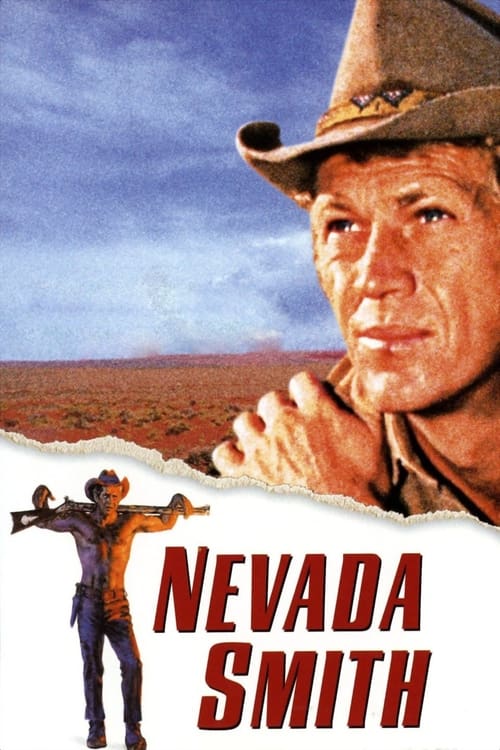
Nevada Smith is a quintessential mid-century Western that prioritizes genre clichés over progressive narrative disruption. While the protagonist's mixed-race heritage provides a layer of ethnic complexity, the film remains anchored in the social hierarchies of its era. The film relies heavily on traditional gender roles, where women serve as emotional stakes rather than agents of change. This lack of women's ability to drive the story, combined with a total absence of LGBTQ+ or disability representation, keeps the diversity score low. Ultimately, the film reinforces established Western values of vigilantism and honor. It functions as a classic vengeance arc rather than a work that challenges systemic power dynamics or explores multiple aspects of diversity.
Category Breakdown
The film operates within a strictly straight-centered framework. There are no visible LGBTQ+ characters or non-assuming gender matches what was assigned at birth identities present in the narrative.
Female characters primarily function as catalysts for male action. They are often depicted as victims whose deaths drive the protagonist's quest for vengeance rather than active participants.
The story centers on a biracial protagonist with a Native American mother and European-American father. However, Native American characters often adhere to era-specific conventions of frontier conflict.
The narrative reinforces traditional Western values like individual retribution and personal honor. It lacks any critique of traditional institutions or the rugged individualist archetype.
No visible or invisible disabilities are central to the character arcs. Disability is not utilized as a significant narrative device in this film.
Present on Screen
Limited or Absent
Official Synopsis
Nevada Smith is the alias of Max Sand, the son of an Indian mother and American father. When they are killed by three men over gold, Nevada sets out to avenge them. The young man is taken in by a gun merchant who shows him how to shoot, on time and correctly.
1973
1967
1950
1966

1958

1969
1953
1971
No reviews yet. Be the first to share your thoughts on this movie!
Use the rating form above to leave a star rating and optional review.