Rich Men's Sons
1927
No user ratings available yet
Representation score: 3.0 out of 10
Representation Score
Limited
1925
PassedDirector
George Archainbaud
Runtime
80 minutes
Average Rating
No ratings yetNew Showbiz Analysis
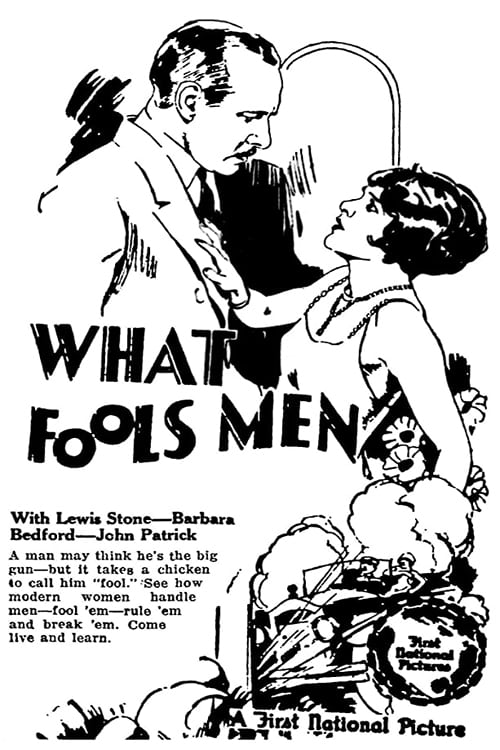
What Fools Men offers a glimpse into the changing social norms of the 1920s. It highlights the generational clash between Victorian-era parental control and the liberated flapper archetype. Beatrice’s autonomy stands out as a notable moment of gender subversion for the time. However, the film remains confined to a narrow, upper-class, white social framework. It lacks racial or LGBTQ+ representation. The resolution leans towards reinforcing traditional family structures. Overall, while the film explores the cultural tensions of the era, it does so through a lens that emphasizes class hierarchy and conventional romantic clichés.
Category Breakdown
The film focuses on traditional romantic and familial structures without any representation of queer identities or subtext in the main relationships.
Beatrice showcases female empowerment through her flapper persona and resistance against her father's control. However, Jenny's roles as both secretary and mistress reinforce traditional gender roles.
The story revolves around a wealthy, white social circle in New York, with no representation of non-Anglo-Saxon characters or diverse racial backgrounds.
The narrative captures the tension between the Prohibition era's modernism and traditionalist values, highlighting the conflict between social norms and the emerging jazz culture.
There is no mention of characters with visible or invisible disabilities.
Present on Screen
Limited or Absent
Official Synopsis
Joseph Greer is a wealthy businessman in New York City with all the trappings including a prim-and-proper secretary, Jenny McFarlan, who takes dictation during working hours and, at night, minus her eyeglasses, serves as his nightclub companion and mistress. Then his daughter,Beatrice, whom he has never seen, shows up and moves in with him. Beatrice is a grown-up flapper who loves jazz, pool parties, flaunting prohibition and carrying-on in general. Most of her carrying-on is with the family chauffeur and her father does not approve, says so, and fires the chauffeur. His parental-guidance technique backfires as Beatrice ups and elopes with the chauffeur. Later, the father has some problems with his business associates and loses his business and most of his fixtures and disappears. But Beatrice locates him and there is a happy reunion between father and daughter, especially since daughter has brought along Jenny to cheer him up.
1927

1922
1926
1929
1935
1928
1933
1929
No reviews yet. Be the first to share your thoughts on this movie!
Use the rating form above to leave a star rating and optional review.