
Lupin the Third: Is Lupin Still Burning?
2018
No user ratings available yet
Representation score: 6.8 out of 10
Representation Score
Good
2007
PG-13Director
Toshihiko Masuda
Runtime
90 minutes
Average Rating
No ratings yetNew Showbiz Analysis
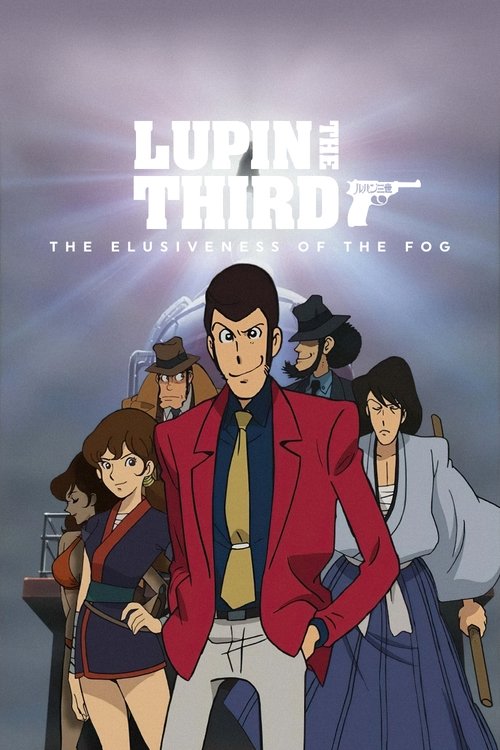
Lupin the 3rd: The Elusiveness of the Fog is a high-adventure film that centers on individual autonomy and moral ambiguity. It excels in presenting complex, self-directed characters who follow personal codes rather than strict laws. However, the film lacks explicit representation of contemporary identity groups. It leans heavily on traditional character types that do not explore disability or queer identities. The narrative's strength lies in its postmodern approach to character motivation, subverting institutional authority through a sophisticated, secular exploration of history and power.
Category Breakdown
The film adheres to conventional romantic and social dynamics. There are no indications of queer-coded subtext or non-straight identities among the main characters.
Fujiko Mine is portrayed as an independent and influential woman who manipulates others, challenging the typical role of female characters as secondary figures.
The film features Japanese characters in a Western setting, creating a cultural displacement where the characters are outsiders in a foreign environment.
The story focuses on a 'gentleman thief' ethos, emphasizing secular mystery-solving over traditional religious or patriotic themes.
The film does not prominently feature characters with physical, cognitive, or sensory disabilities. Characters are depicted as idealized, action-oriented archetypes without addressing disability-related experiences.
Present on Screen
Limited or Absent
Official Synopsis
Following a lead from Fujiko, Lupin and Jigen excavate the sea floor in Kiritappu to search for a lost underwater treasure that supposedly holds the secrets of time travel. After the Lupin gang escapes a run-in with the law, a strange man calling himself Kyousuke Mamoh strands the Lupin gang hundreds of years in the past.
2018
1979
1994
2019

1999

2001

2002
1996
No reviews yet. Be the first to share your thoughts on this movie!
Use the rating form above to leave a star rating and optional review.