
Lupin the Third: Missed by a Dollar
2000
No user ratings available yet
Representation score: 4.0 out of 10
Representation Score
Fair
2001
TV-PGDirector
Hideki Tonokatsu
Runtime
90 minutes
Average Rating
No ratings yetNew Showbiz Analysis
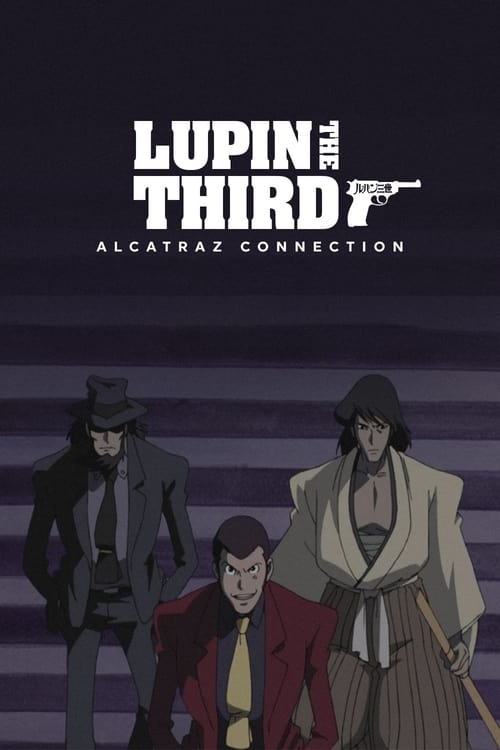
Lupin the Third: Alcatraz Connection is a modern adventure that finds its progressive edge in the subversion of social and legal hierarchies. The film highlights individual empowerment and characters who defy conventional morality. However, it lacks diversity in other areas, such as racial and LGBTQ+ representation. The narrative focuses more on stylistic subversion and high-stakes heists than on broad social representation. While the film showcases a strong narrative structure and individual empowerment, it falls short in providing diverse representation. The core cast remains culturally homogeneous, and there is no significant portrayal of LGBTQ+ identities or characters with disabilities. Overall, the film's strength lies in its narrative architecture and the celebration of individualistic pursuits, while areas for improvement include greater diversity in the cast and storyline.
Category Breakdown
The film does not explicitly depict non-binary gender identities or same-sex relationships. The character dynamics adhere to traditional heterosexual norms throughout the story.
Fujiko Mine demonstrates a strong sense of independence and strategic thinking, challenging traditional gender roles. She actively shapes the plot rather than being a passive figure.
The main cast is predominantly Japanese, reflecting the franchise's roots. Even though the story includes international locations like Alcatraz, the core cast remains fairly uniform.
The narrative effectively questions institutional authority by portraying criminal activities as a form of liberation. It challenges Western legal systems through a lens of sophisticated, gentlemanly theft.
There is no significant evidence regarding the portrayal of visible or invisible disabilities within the character profiles or plot.
Present on Screen
Limited or Absent
Official Synopsis
Secretly operating his cruiser as a casino at sea isn’t enough for mafia don Lukino Marcano. He’s also looking for the gold-laden boat wreckage worth the budget of a small country! Lupin sniffs out the plan to recover this long-lost treasure and brings along his partners Jigen, Goemon, and Fujiko for the ride to crash Lukino’s party.
2000
1979
1994

2019

2013
2003

1987
2002
No reviews yet. Be the first to share your thoughts on this movie!
Use the rating form above to leave a star rating and optional review.