
The Cordillera of Dreams
2019
No user ratings available yet
Diversity score: 7.2 out of 10

2015
Not RatedDirector
Patricio Guzmán
Runtime
82 minutes
Average Rating
No ratings yetSynopsis
The ocean contains the history of all humanity. The sea holds all the voices of the earth and those that come from outer space. Water receives impetus from the stars and transmits it to living creatures. Water, the longest border in Chile, also holds the secret of two mysterious buttons which were found on its ocean floor. Chile, with its 2,670 miles of coastline and the largest archipelago in the world, presents a supernatural landscape. In it are volcanoes, mountains and glaciers. In it are the voices of the Patagonian Indigenous people, the first English sailors and also those of its political prisoners. Some say that water has memory. This film shows that it also has a voice.
Overall Score
Good
Category Breakdown
LGBTQ+ Representation
The film focuses on historical and geographical meditations rather than queer narratives. While it lacks explicit LGBTQ+ themes, it avoids derogatory depictions of non-cisnormative identities.
Gender Representation
The documentary prioritizes ecological and macro-historical perspectives over individual gender dynamics. It avoids reinforcing patriarchal hierarchies by focusing on collective memory and shared human loss.
Racial & Ethnic Diversity
The film excels by centering Mapuche indigenous people and their ancestral ties to Patagonia. This approach effectively challenges Eurocentric views of Chilean history and grants agency to marginalized identities.
Religious & Cultural Diversity
The narrative provides a profound critique of neoliberalism and state-sponsored violence. It prioritizes the spiritual and historical truths of the marginalized over official state records.
Disability Representation
The film does not focus on visible or invisible disabilities as a central thematic element.
Strengths
Areas for Improvement
AI Analysis
Patricio Guzmán’s documentary is a sophisticated cinematic essay that uses the sea to carry suppressed Chilean memories. It successfully reframes the landscape as a witness to the struggles of indigenous peoples and political dissidents rather than a mere resource for capital. The film's primary strength is its rigorous interrogation of colonialism, capitalism, and state authority. By elevating the voices of those silenced by institutional power, it disrupts conventional historical narratives and challenges the hegemony of the state. However, the film's scope is specialized. Because it focuses on macro-historical and ecological themes, it offers little engagement with specific gendered or LGBTQ+ social structures, leaving those areas of identity largely unaddressed.
2019

2010
2012
2018

1959
2015
2014

2018

2019
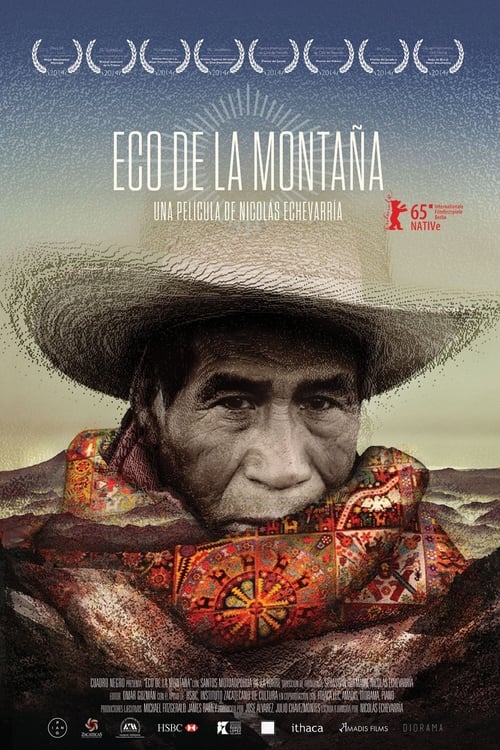
2015

1998

2010
No reviews yet. Be the first to share your thoughts on this movie!
Use the rating form above to leave a star rating and optional review.