
In the Heat of the Night
1967
No user ratings available yet
Representation score: 4.7 out of 10
Representation Score
Fair
1995
RDirector
Carl Franklin
Runtime
102 minutes
Average Rating
No ratings yetNew Showbiz Analysis
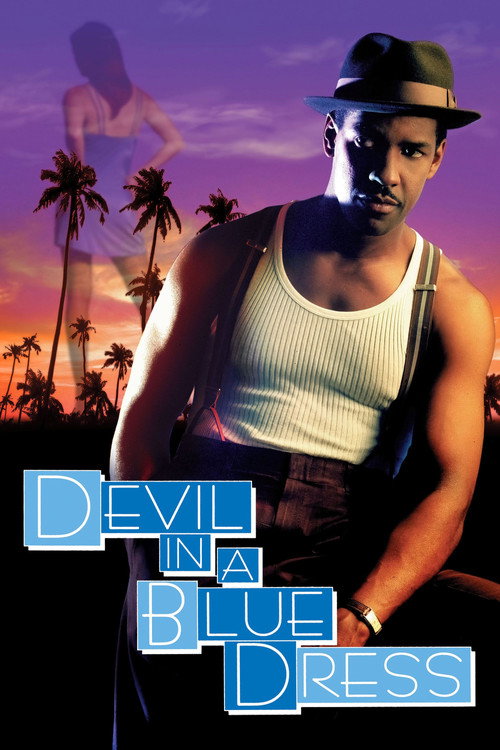
Devil in a Blue Dress excels by deconstructing the noir genre to center the Black experience. By shifting the detective lens toward the systemic obstacles faced by Black veterans, the film disrupts mid-century cinematic expectations. The narrative's strength lies in its refusal to whitewash the 1940s setting. Instead, it uses the hardboiled framework to critique racialized power structures and the corruption of established institutions. While the film provides deep racial and cultural insight, it lacks explicit LGBTQ+ representation and does not feature prominent disability narratives, keeping the focus on socioeconomic and racial survival.
Category Breakdown
The film focuses on racial and socioeconomic tensions rather than LGBTQ+ identities. There is no explicit depiction of LGBTQ+ narratives, though the jazz subculture suggests fluid social dynamics.
Women play central roles in driving the mystery, navigating dangerous criminal landscapes with strategic ability to act. This challenges era-specific clichés of submissive femininity.
The film centers a Black protagonist and a predominantly Black cast. It avoids whitewashing by grounding the story in the authentic socioeconomic realities of 1940s Los Angeles.
The narrative critiques biased legal authorities and predatory social orders. It portrays survival through street smarts, challenging traditional Western notions of morality and the myth of the protected citizen.
There are no prominent depictions of visible or invisible disabilities that serve as central narrative drivers in the film.
Present on Screen
Limited or Absent
Official Synopsis
In late 1940s Los Angeles, Easy Rawlins is an unemployed black World War II veteran with few job prospects. At a bar, Easy meets DeWitt Albright, a mysterious white man looking for someone to investigate the disappearance of a missing white woman named Daphne Monet, who he suspects is hiding out in one of the city's black jazz clubs. Strapped for money and facing house payments, Easy takes the job, but soon finds himself in over his head.
1967
1975
1996
1975
1974
1948
1980
1966
No reviews yet. Be the first to share your thoughts on this movie!
Use the rating form above to leave a star rating and optional review.