
The Two Jakes
1990
No user ratings available yet
Representation score: 2.6 out of 10
Representation Score
Limited
1975
RDirector
Arthur Penn
Runtime
100 minutes
Average Rating
No ratings yetNew Showbiz Analysis
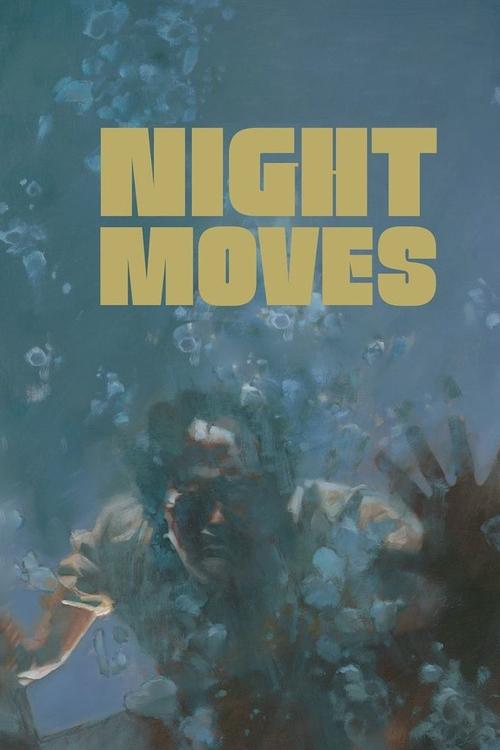
Night Moves is a sophisticated exercise in postmodern storytelling that prioritizes thematic deconstruction over demographic breadth. It uses the neo-noir framework to explore the fragmentation of truth and the erosion of institutional reliability. While the film scores low in traditional identity-based metrics like race and LGBTQ+ representation, it achieves progressive value through its narrative philosophy. It rejects the moral clarity found in classical cinema in favor of existential ambiguity. The film's strength lies in its intellectual subversion of the detective genre, replacing the traditional hero's journey with a nuanced exploration of situational ethics.
Category Breakdown
The film adheres to a strictly straight-centered framework. There are no characters with same-sex relationships or non-cisgender identities.
Female characters play important roles in driving the plot but are not given much control over their own destinies. The film does not challenge traditional gender power dynamics or highlight female empowerment.
The casting reflects the demographic uniformity typical of 1970s crime dramas. The narrative centers around a predominantly white cast and emphasizes class differences over ethnic diversity.
The film excels in critiquing established social and institutional structures. It challenges the stability of Western institutions by emphasizing moral relativism and subjective truth.
There are no prominent depictions of visible or invisible disabilities. Such themes do not serve as central drivers within the narrative.
Present on Screen
Limited or Absent
Official Synopsis
Private detective and former football player Harry Moseby gets hired on to what seems a standard missing person case - a former Hollywood actress wants Moseby to find and return her daughter. Harry travels to Florida to find her, but he begins to see a connection between the runaway girl, the world of Hollywood stuntmen, and a suspicious mechanic when an unsolved murder comes to light.
1990
1975
2007
1978

2006

1979
1980
1964
No reviews yet. Be the first to share your thoughts on this movie!
Use the rating form above to leave a star rating and optional review.