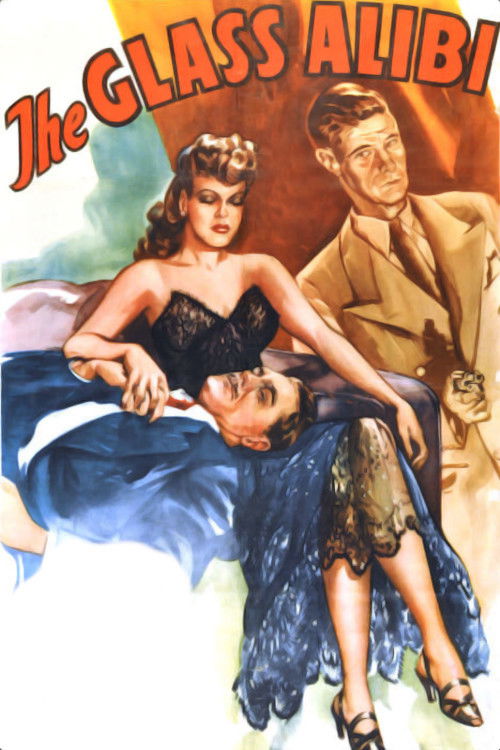
The Glass Alibi
1946
No user ratings available yet
Representation score: 2.7 out of 10

Representation Score
Fair
1964
NRDirector
Basil Dearden
Runtime
122 minutes
Average Rating
No ratings yetNew Showbiz Analysis
Basil Dearden’s thriller contrasts its conservative casting with progressive narrative themes. While it lacks racial and LGBTQ+ diversity, it subverts gendered expectations through its female protagonist's ability to drive the story. The narrative uses moral ambiguity to challenge traditional social certainties. It explores how individuals navigate power and wealth through calculated manipulation. Ultimately, the film is intellectually sophisticated regarding power dynamics, despite being demographically limited by the standards of its time.
Category Breakdown
The film follows the conventions that assume everyone is straight and cisgender. There is no representation of same-sex relationships or non-cisgender identities.
The story centers around a female protagonist who plays a significant role in driving the narrative. She uses her perceived femininity to navigate and manipulate a male-dominated world.
The production reflects the demographic homogeneity of its era, with a predominantly white cast. The Anglo-Saxon social norms of 1960s London are reinforced.
The film explores moral relativism and questions the stability of Western wealth. It avoids simple moral condemnation by examining whether the protagonist's motives are predatory or systemic.
A wheelchair-using tycoon serves as a central plot device. However, the disability lacks nuanced character development, remaining a functional role in the thriller.
Present on Screen
Limited or Absent
Official Synopsis
Anthony Richmond schemes to get the fortune of his tyrannical, wheelchair-using tycoon uncle Charles Richmond by persuading Maria, a nurse he employs, to marry him.
1946
1964
1955

1958
1956

1960

1976
1950
No reviews yet. Be the first to share your thoughts on this movie!
Use the rating form above to leave a star rating and optional review.