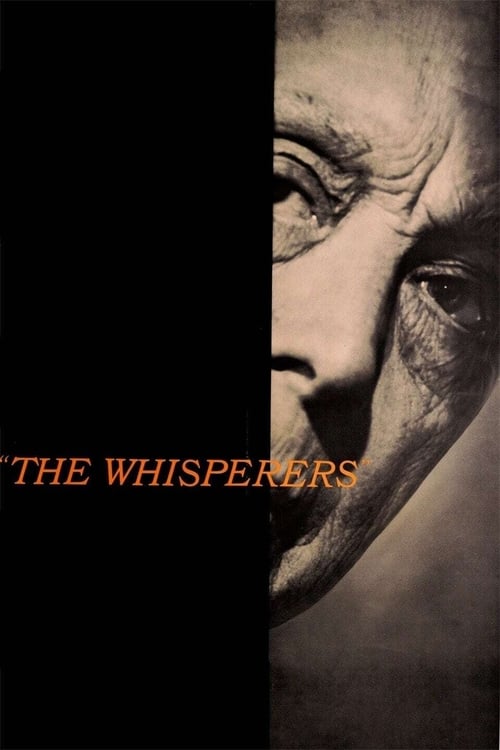
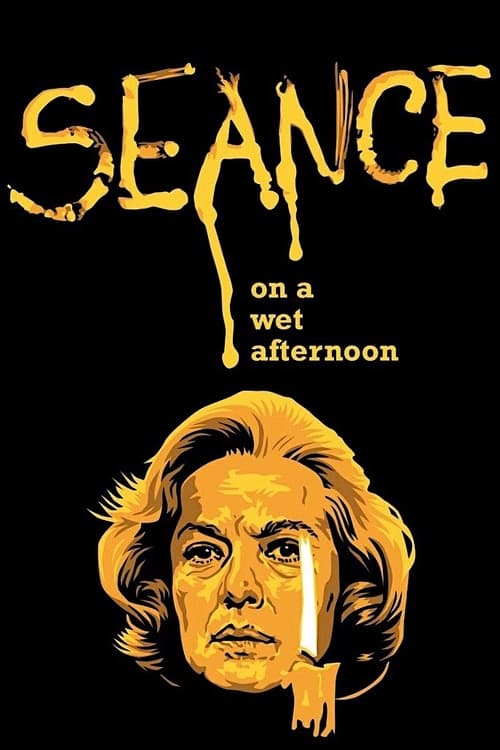
The Whisperers
1967
No user ratings available yet
Representation score: 4.2 out of 10
Representation Score
Fair
1964
Director
Bryan Forbes
Runtime
116 minutes
Average Rating
No ratings yetNew Showbiz Analysis
Bryan Forbes' film is a psychological study that emphasizes character-driven tension over broader social issues. It disrupts mid-century gender expectations by placing a woman in a position of strategic and intellectual leadership. Myra Savage is a proactive force, driving the tension through her obsession and planning. However, the film is limited by its specific temporal and social context. Set in a racially homogenous environment, the narrative lacks any representation of LGBTQ+ identities or non-assuming gender matches what was assigned at birth characters. The story remains narrowly focused on a localized British working-class community.
Category Breakdown
The film focuses on heterosexual relationships and does not include any LGBTQ+ identities or characters with non-binary gender identities.
Myra Savage challenges the typical submissive housewife stereotype by taking a leading role in driving the plot. She is portrayed as psychologically dominant and strategically cunning.
Set in a predominantly white British seaside town, the film lacks any racial or ethnic diversity. It reflects the era's focus on a localized, working-class British community.
The story questions traditional moral values and portrays the family unit as a place where manipulation occurs rather than stability. It highlights the complexity of moral relativism.
Billy's asthma adds a layer of physical vulnerability. His condition is used to highlight his lower status in the household hierarchy rather than exploring his ability to take action.
Present on Screen
Limited or Absent
Official Synopsis
Working-class British housewife Myra Savage reinvents herself as a medium, holding seances in the sitting room of her home with the hidden assistance of her under-employed, asthmatic husband, Billy. In an attempt to enhance her credibility as a psychic, Myra hatches an elaborate, ill-conceived plot to kidnap a wealthy couple's young daughter so that she can then help the police "find" the missing girl.
1967

1962

2007
1950
2000
1964
1964
1964
No reviews yet. Be the first to share your thoughts on this movie!
Use the rating form above to leave a star rating and optional review.