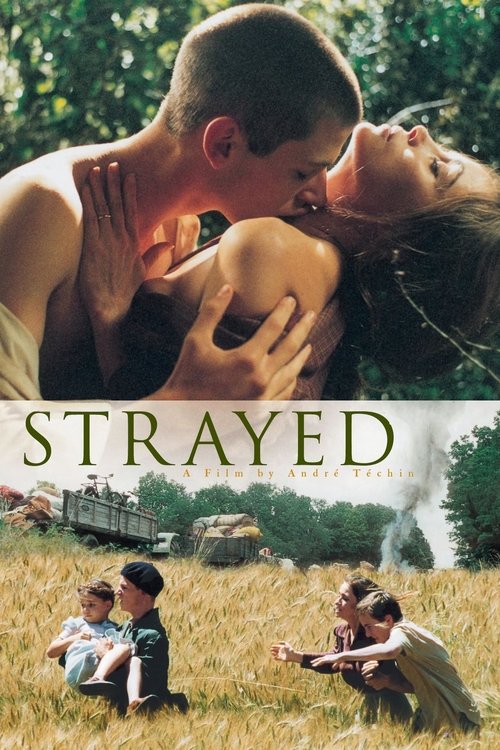
Strayed
2003
No user ratings available yet
Representation score: 8.0 out of 10
Representation Score
Fair
2004
Director
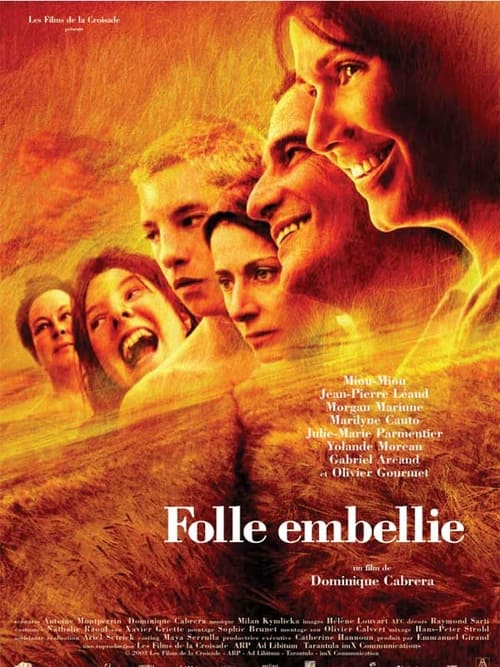
Dominique Cabrera
Runtime
110 minutes
Average Rating
No ratings yetNew Showbiz Analysis
A Wonderful Spell avoids the grand heroics of WWII to focus on the domestic struggles of displaced individuals. It deconstructs the traditional nuclear family, instead elevating the roles of underrepresented groups. The film's strength lies in its humanistic worldview, prioritizing emotional authenticity over genre clichés. By centering those on the periphery of societal norms, it offers a grounded look at resilience during wartime. However, the representation remains somewhat limited by its historical setting and lack of explicit detail regarding specific identities. The focus on ordinary, rural life provides a sense of realism but lacks broader demographic breadth.
Category Breakdown
The film examines non-traditional family structures among people who have been overlooked by society. Although specific LGBTQ+ identities are not clearly defined, the story focuses on social dynamics outside the norm.
The story challenges traditional masculine authority by depicting the father's masculinity through destructive violence. It highlights the psychological depth and internal lives of female characters, especially the mother.
The cast reflects the demographic realities of rural France in 1942. The focus on ordinary, everyday people shifts the perspective away from elite, Eurocentric views, grounding the era's representation.
The narrative questions traditional institutions like the family and state by emphasizing hope found through unconventional communal bonds rather than through religious or state-sanctioned structures.
The film does not specifically depict or mention characters with visible or invisible disabilities.
Present on Screen
Limited or Absent
Official Synopsis
Set in the summer of 1942 during WWII, the film traces the trajectory of simple people thrown into extraordinary lives, revealing the heart-warming flame of hope and humanity that endures, even in times of war and dispair. As young Julien, his family and a group of friends traverse the French countryside after fleeing the institution they called home, Julien must deal with his father's extreme violence and his mother's rosy fantasies and once again form a family that society tries to forget.
2003
1952
1981

1960

2008

2023

2017
1987
No reviews yet. Be the first to share your thoughts on this movie!
Use the rating form above to leave a star rating and optional review.