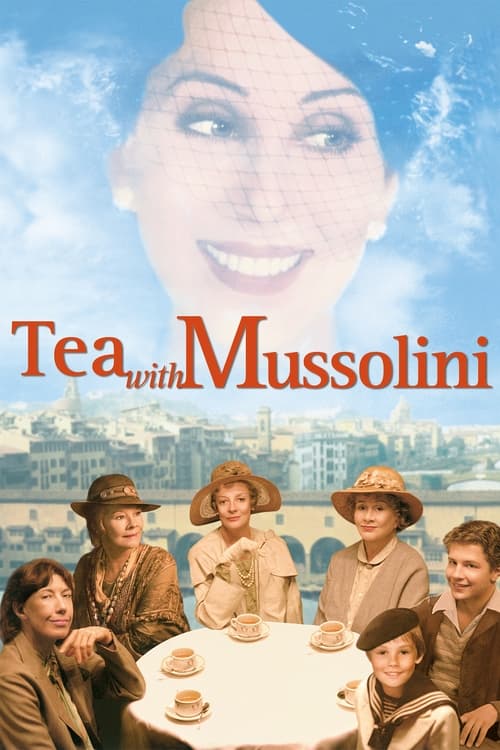
Tea with Mussolini
1999
No user ratings available yet
Representation score: 4.0 out of 10

Representation Score
Fair
1987
PG-13Director
John Boorman
Runtime
113 minutes
Average Rating
No ratings yetNew Showbiz Analysis
Hope and Glory offers a sophisticated departure from standard wartime propaganda by focusing on the domestic reality of the working class. It replaces monolithic heroic narratives with a nuanced study of resilience through a child's perspective. The film's strength lies in its portrayal of maternal ability to act and strength, challenging traditional gender roles. However, it remains limited by its historical homogeneity, lacking racial, ethnic, or LGBTQ+ diversity. Ultimately, the film is a work of social realism that prioritizes class-based storytelling over identity-based politics, making it a deeply human but narrow portrait of wartime London.
Category Breakdown
The film follows a traditional framework that assumes everyone is straight or cisgender. There are no LGBTQ+ identities or narratives present.
The narrative centers the mother as the emotional backbone of the family during the Blitz. Her strength and ability to act provide a nuanced, female-driven resilience amidst wartime hardships.
The cast is predominantly white, reflecting the historical context of a mid-century London working-class neighborhood. It does not engage with racial or ethnic diversity.
The film focuses on the subjective experiences of a child, offering a social commentary on class struggle and economic scarcity.
While the film shows the physical and psychological tolls of war, no characters have narrative arcs centered around disabilities.
Present on Screen
Limited or Absent
Official Synopsis
A middle-aged man recalls his childhood growing up in and around London during World War II.
1999
1941
1998
1959

2022
1933
1977
1949
No reviews yet. Be the first to share your thoughts on this movie!
Use the rating form above to leave a star rating and optional review.