
Soldier Boy
2019
No user ratings available yet
Representation score: 1.2 out of 10
Representation Score
Limited
2019
Director
Aleksandr Galibin
Runtime
94 minutes
Average Rating
No ratings yetNew Showbiz Analysis
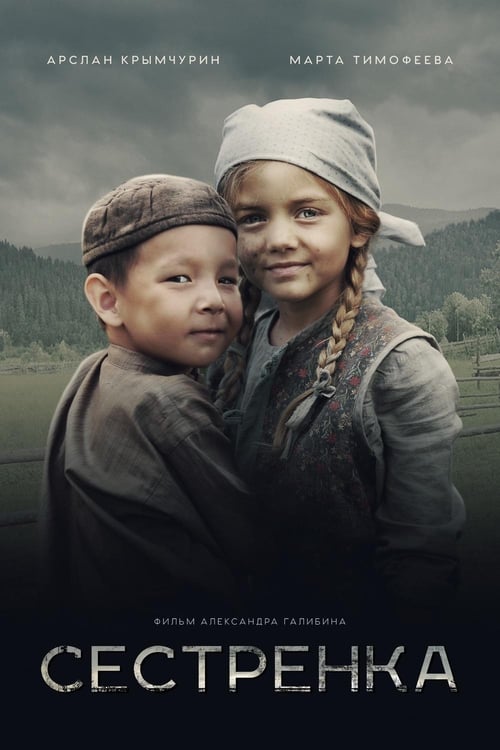
Sister is a period drama that prioritizes emotional realism and the preservation of traditional social structures. It explores how individuals maintain moral responsibilities when war fractures family hierarchies. The film offers a meaningful regional cultural representation through its literary roots. However, it maintains a conservative approach to gender roles and social dynamics, focusing on duty rather than subversion. Ultimately, the narrative structure aims to depict the reconfiguration of family bonds during conflict rather than deconstructing established social norms.
Category Breakdown
The film focuses on traditional familial duties and the bond between a brother and a surrogate sister. It does not include any non-straight identities or critiques of the assumption that everyone is straight.
The story centers on the absence of a father, shifting control to the mother and Yamil. However, the plot is driven by a patriarchal mandate for Yamil to protect Oksana.
Rooted in the heritage of Mustay Karim, the film provides a non-Western cultural perspective. It offers a nuanced look at regional identities within the Soviet wartime experience.
The narrative emphasizes family cohesion and honoring parental instructions. It reinforces the stability of the family unit rather than challenging traditional institutions.
There are no visible or invisible disabilities central to the character arcs of Yamil or Oksana in the provided narrative.
Present on Screen
Limited or Absent
Official Synopsis
How many Yamil remembers himself, war has always been. He is very much waiting for it to end - after all, then the father will return, whom the boy knows only from photographs and letters. One day, Mom leaves for a distant city and brings the silent girl Oksana with her. Mum transmits the order of his father to take care of Oksana, as if he was a little sister ... A film adaptation of the story “The Joy of Our Home” by the classic of Soviet literature Mustay Karim.
2019

2019
1978
2017

1987
1965
1992
1946
No reviews yet. Be the first to share your thoughts on this movie!
Use the rating form above to leave a star rating and optional review.