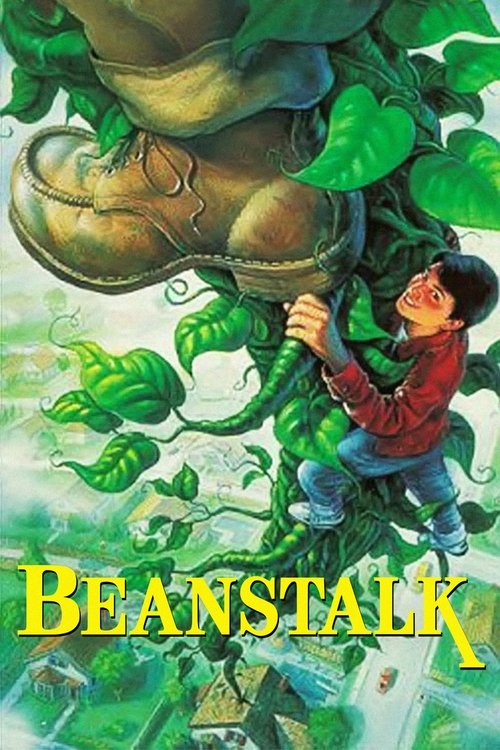
Beanstalk
1994
No user ratings available yet
Representation score: 0.8 out of 10
Representation Score
Fair
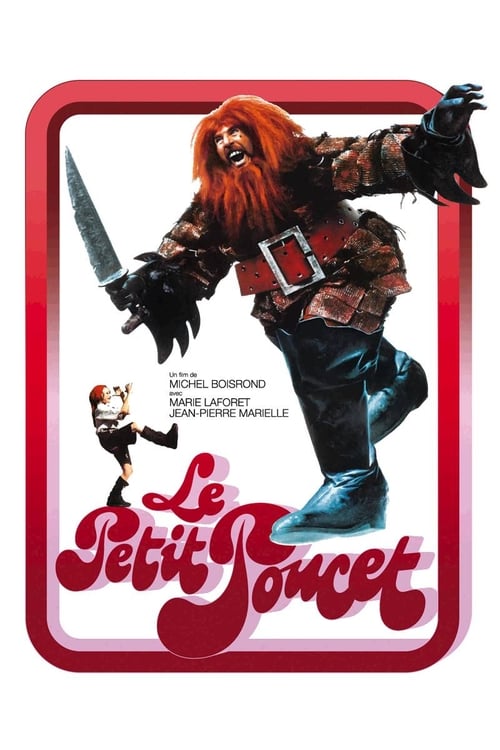
1972
GDirector
Michel Boisrond
Runtime
75 minutes
Average Rating
No ratings yetNew Showbiz Analysis
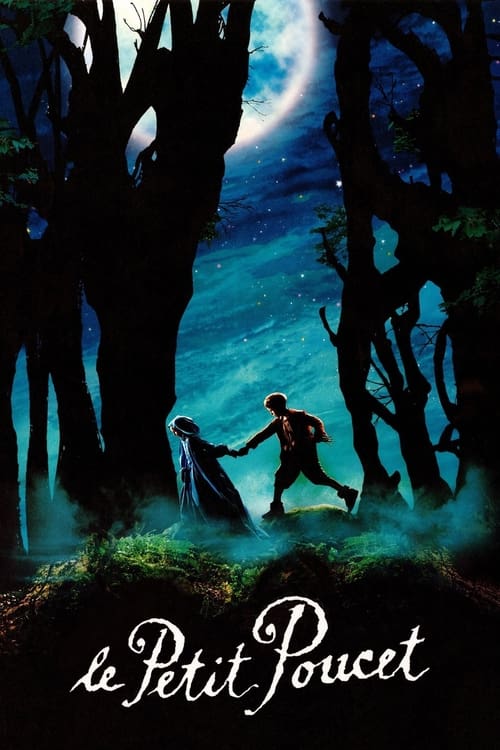
Michel Boisrond's adaptation of 'Le Petit Poucet' is a classic fairy-tale narrative that relies on established clichés. The film maintains traditional gender and social roles through the damsel in distress and clever underdog clichés. The production lacks diverse perspectives, presenting a homogeneous view typical of early 1970s European folklore. Physical differences are used primarily as plot devices rather than meaningful representations of disability. Ultimately, the film is a straightforward moral fable. It excels in its genre but offers limited diversity or disruption of historical social hierarchies.
Category Breakdown
The film follows a traditional structure that assumes everyone is straight and cisgender. There is no indication of same-sex relationships or intimacy.
Gender roles remain traditional, with Tom Thumb playing a leading role while the princess has a passive part. The power dynamics support conventional hierarchies.
The setting and casting reflect a homogeneous Western demographic. It adheres to the historical norms of its cultural origin.
The story uses a traditional moral framework focused on family and poverty. It presents a classic folklore perspective without critiquing Western social institutions.
Tom Thumb's small size serves as a plot device highlighting his cleverness. This portrayal emphasizes survival traits over a nuanced understanding of living with a disability.
Present on Screen
Limited or Absent
Official Synopsis
Classic fairy-tale story about Tom Thumb against Giant. Parents are poor and want to leave Tom Thumb in forest. But Tom Thumb is clever and marks his way by stones. Second time he is unsuccessful - he has only bread-crumbs and birds eat them. Tom Thumb finds a Giant and a beautiful princess in his entrapment, and is determined to free the princess.
1994
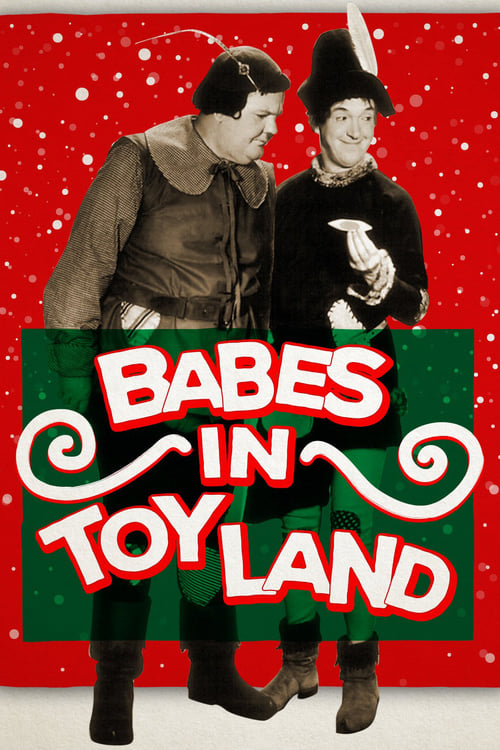
1934
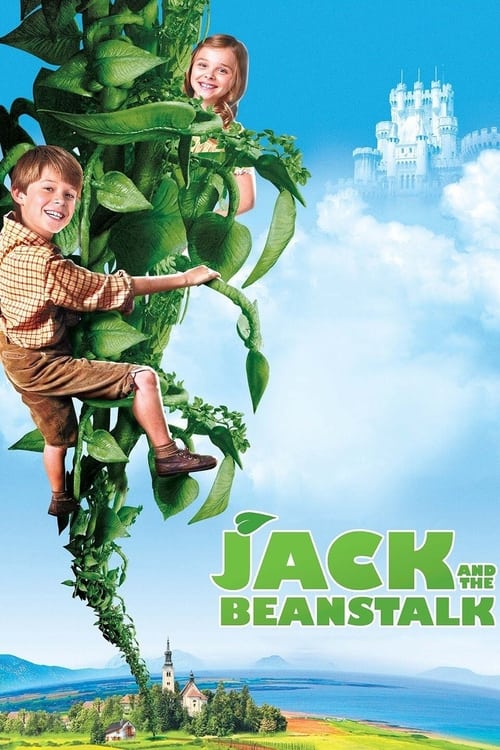
2009
1958
2001
1970

1971

1959
No reviews yet. Be the first to share your thoughts on this movie!
Use the rating form above to leave a star rating and optional review.