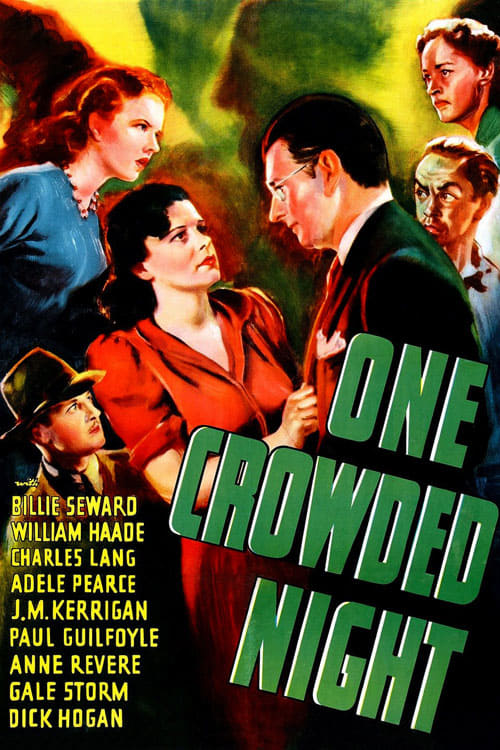
One Crowded Night
1940
No user ratings available yet
Diversity score: 3.2 out of 10
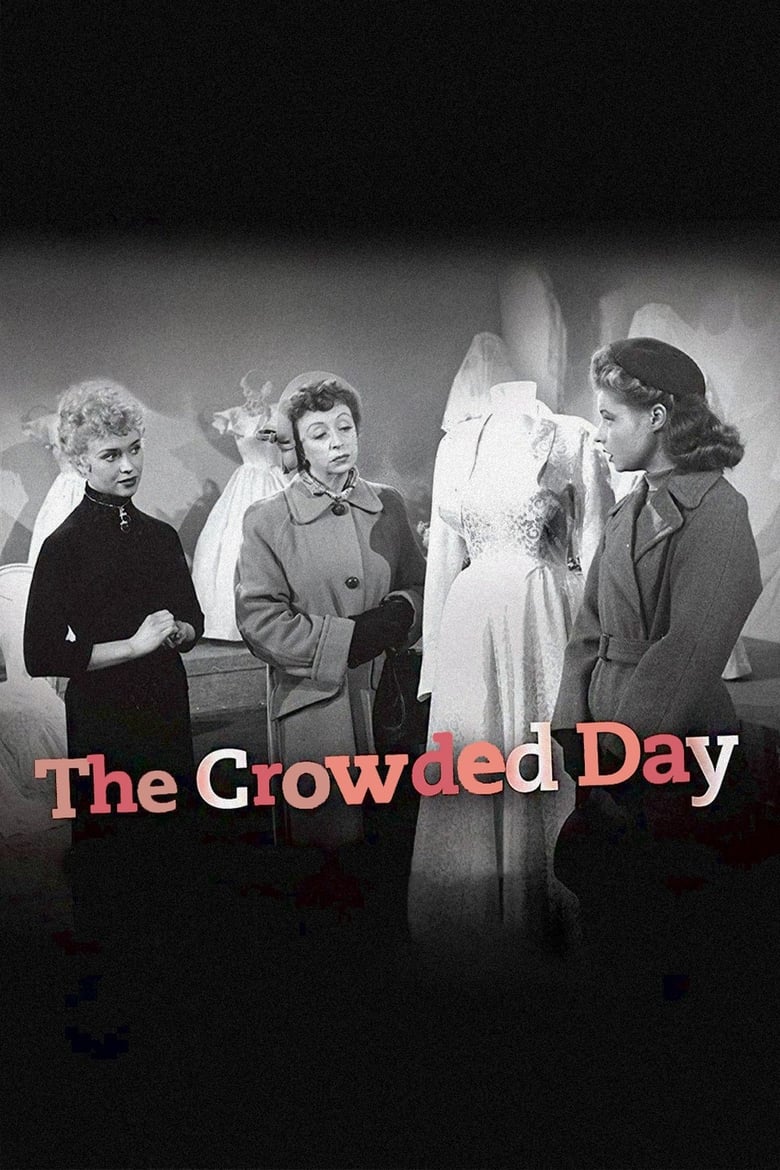
1954
Director
John Guillermin
Runtime
82 minutes
Average Rating
No ratings yetSynopsis
One day in the lives and loves of the staff in a large department store.
Overall Score
Limited
Category Breakdown
LGBTQ+ Representation
The film relies on the traditional romantic tropes common to 1954. There is no evidence of non-cisnormative identities or critiques of heteronormativity within the narrative.
Gender Representation
While the department store setting provides a platform for female workers, these roles likely adhere to mid-century gender hierarchies. The film lacks portrayals of female intellectual dominance.
Racial & Ethnic Diversity
The story appears centered on a homogeneous social fabric typical of mid-century Western cinema. There is no documented evidence of characters of color possessing significant narrative agency.
Religious & Cultural Diversity
The narrative operates within mid-century capitalist structures and traditionalist social orders. It lacks evidence of secularism or the deconstruction of Western family values.
Disability Representation
The film contains no verifiable inclusion of neurodivergent characters or individuals with physical disabilities. It reflects the historical lack of agency afforded to disabled characters in this era.
Strengths
Areas for Improvement
AI Analysis
The Crowded Day is a conventional social observational drama that mirrors the institutional norms of 1954. It focuses on the interpersonal dynamics of department store staff through a mid-century lens. The film adheres to the social hierarchies of its time, offering little in the way of systemic critique or intersectional complexity. It functions as a period piece that reinforces rather than challenges the status quo. Ultimately, the production lacks the markers of progressive thematic architecture, resulting in a narrative that remains firmly within the traditionalist boundaries of its era.
1940
1955
1935

1986

1945
1932
1934
1959
1932

2009
1934
1944
No reviews yet. Be the first to share your thoughts on this movie!
Use the rating form above to leave a star rating and optional review.