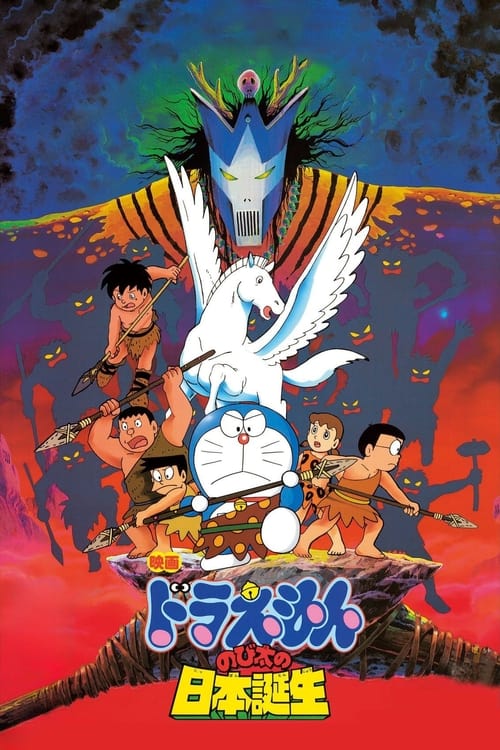
Doraemon: Nobita and the Birth of Japan
1989
No user ratings available yet
Representation score: 2.5 out of 10
Representation Score
Minimal
1996
Director
Tsutomu Shibayama
Runtime
97 minutes
Average Rating
No ratings yetNew Showbiz Analysis
This adventure focuses on maintaining narrative continuity and established character types, prioritizing a conventional genre format for family audiences. It relies on traditional storytelling structures. The film reinforces existing social and cultural norms without challenging them. The emphasis is on standard developmental themes and heroic-versus-villain dynamics common in 1990s animation. Ultimately, the work does not engage with progressive frameworks and instead upholds a localized cultural identity and traditional moral values.
Category Breakdown
The film follows a strict assumption that everyone is straight and cisgender, with no representations of same-sex relationships or non-binary identities.
Women in the film play important roles but are often portrayed as emotional supports. The story upholds traditional gender roles and stereotypes.
The cast primarily features characters from a Japanese background, with extraterrestrial elements serving as genre clichés rather than symbols of diversity.
The story emphasizes traditional values such as friendship and teamwork, reinforcing social cohesion without addressing secular or anti-Western viewpoints.
There is no depiction of physical, sensory, or neurodivergent disabilities. Characters are shown through a lens of typical physical abilities.
Present on Screen
Limited or Absent
Official Synopsis
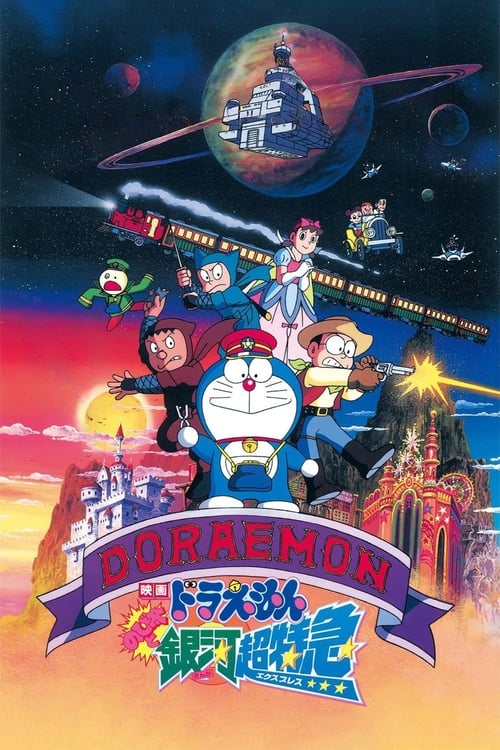
Doraemon went missing for 3 days. But it turns out later that he went to the 22nd century to buy a mystery galactic express train ticket whose destination is a secret until the passengers arrive there and see for themselves.
1989
2020
1998
2014

1987

1988
2004
2006
No reviews yet. Be the first to share your thoughts on this movie!
Use the rating form above to leave a star rating and optional review.