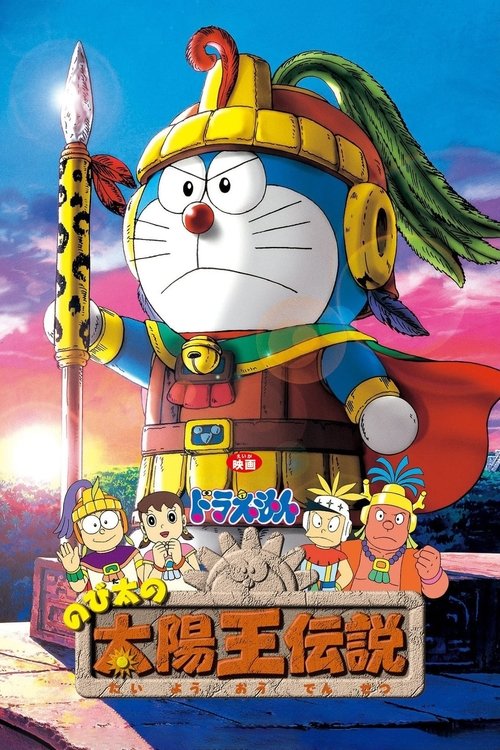
Doraemon: Nobita and the Legend of the Sun King
2000
No user ratings available yet
Representation score: 2.8 out of 10
Representation Score
Minimal
2003
Director
Tsutomu Shibayama
Runtime
84 minutes
Average Rating
No ratings yetNew Showbiz Analysis
The film follows a traditional adventure structure that emphasizes established franchise clichés over progressive representation. It relies on a homogeneous cast and conventional social roles, offering a standard framework for children's media. While non-human species are used to explore different ways of life, this serves as a metaphor rather than direct representation of diverse human identities. The focus remains on ecological preservation and youth empowerment within a speculative setting. Ultimately, the film adheres to the social norms of its time, lacking significant challenges to gendered hierarchies or diverse human identities.
Category Breakdown
The film does not include any LGBTQ+ characters or non-cisgender identities. The character dynamics revolve around traditional childhood friendships without depicting same-sex relationships.
Shizuka serves as the main female character, providing emotional intelligence and empathy. Female characters play important roles, but the social hierarchy follows traditional gender roles.
The human characters are ethnically uniform, reflecting a typical Japanese setting. Non-human entities like the Windmasters serve as a mild proxy for cultural diversity.
The story focuses on environmentalism and protecting nature. It follows a traditional moral framework of good versus exploitation without critiquing specific institutions.
The protagonists are shown as fully able-bodied. There are no characters with visible or invisible disabilities or neurodivergent identities.
Present on Screen
Limited or Absent
Official Synopsis
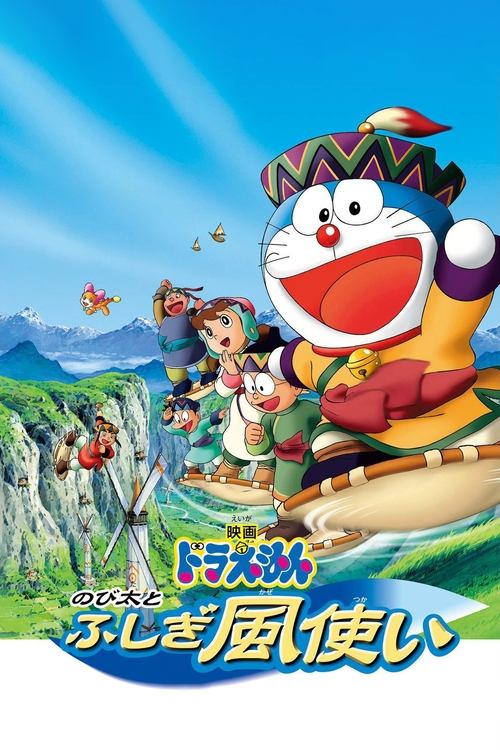
After a typhoon hits Nobita's town, he and Doraemon discover a wind sprite who, with some help from Doraemon's 22nd-century tech, takes them and their friends to a fantastic world of wind and storm people. But the wind sprite, named Fuuko by Nobita, had brought them to her world for a reason, as her peoples' gods are battling, and Suneo might be a key player in their feud.
2000
2005
2001
2020
1990
1985
2016
1992
No reviews yet. Be the first to share your thoughts on this movie!
Use the rating form above to leave a star rating and optional review.