
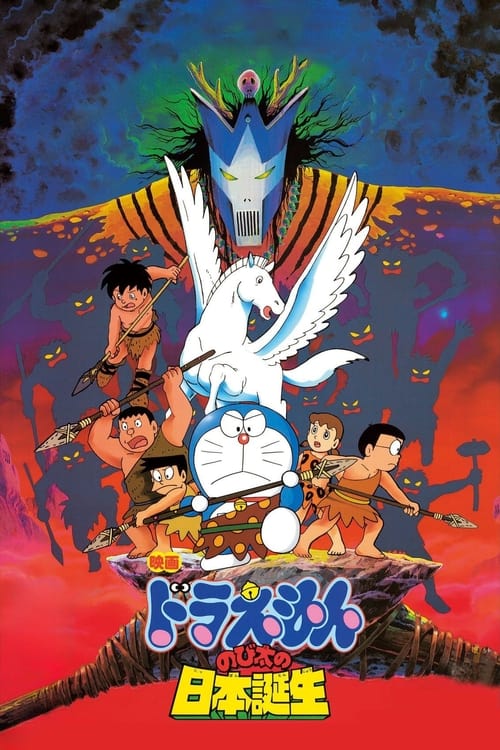
Doraemon: Nobita and the Knights on Dinosaurs
1987
No user ratings available yet
Representation score: 2.2 out of 10
Representation Score
Limited
1989
Director
Tsutomu Shibayama
Runtime
100 minutes
Average Rating
No ratings yetNew Showbiz Analysis
This film exemplifies traditionalist adventure media, emphasizing established social norms and cultural uniformity. It reinforces a stable, conventional framework rather than challenging existing hierarchies. The narrative structure focuses on historical reverence and group cohesion. By centering on a singular ethnic perspective and traditional gender roles, it avoids the complexity of storytelling that reflects multiple aspects of identity found in more contemporary works. Overall, the film upholds social stability and traditionalist archetypes, providing a predictable yet cohesive experience reflective of its production standards.
Category Breakdown
The film does not include any visible LGBTQ+ characters or non-cisgender identities. The social setting revolves around a traditional peer group that doesn't engage with queer subtext.
The story follows conventional gender roles where Shizuka's influence is shaped by her interactions with a male-dominated group. Masculinity is portrayed through aggressive and underdog clichés.
Set in prehistoric Japan, the film features a culturally uniform cast. It highlights a single, ethnically consistent viewpoint that lacks diverse representation.
The story emphasizes historical continuity and traditional values such as friendship and family. It prioritizes social harmony and group unity over any critical perspectives.
There are no prominent depictions of physical or neurodivergent disabilities. Characters are shown as fully capable without incorporating specific sensory or mental health stories.
Present on Screen
Limited or Absent
Official Synopsis
Nobita, thinking of running away from home, travels back in time with Doraemon and his pals to prehistoric Japan. However, a time paradox causes prehistoric boy Kukul to land in the modern day, so it's up to Doraemon and the rest to help the boy get back to the past while also defeating the mysterious shaman king, Giga-Zombie.
1987
2020

1988
2014

1984
1986
1983
1985
No reviews yet. Be the first to share your thoughts on this movie!
Use the rating form above to leave a star rating and optional review.